Texas Cooling Help
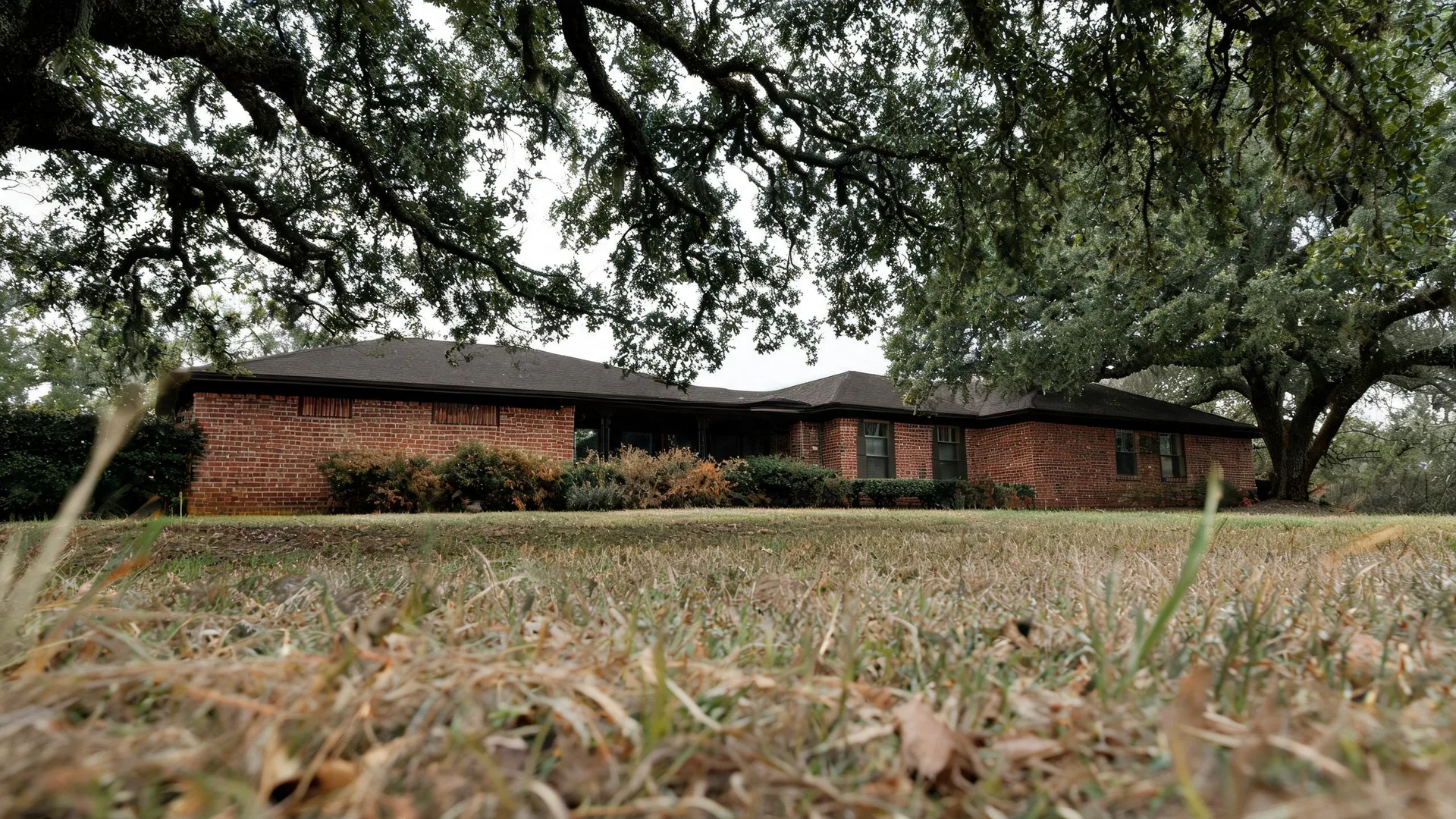
A single-story brick house with a dark roof and shrubs along its front, seen from a low angle across a patchy brown lawn, framed by large overhanging oak branches.

AC Maintenance in Amarillo, TX

Tell us about the job

Takes about a minute. No obligation.

Step 1 of 3: Equipment

The gauges come out, or they don't

A thorough tune-up means someone connects gauges and checks the refrigerant charge against what the system calls for, pulls the blower access panel and looks at the capacitor and contactor, and washes the condenser coil instead of just rinsing what's visible from outside. A quick visit means a glance at the filter and a listen for noise.

What a rushed check leaves behind

A weak capacitor or a coil caked with dirt won't stop your AC from running today. It just makes the compressor work harder for the same cooling, and that's what shortens its life and shows up as a breakdown later in the summer, not during the tune-up that missed it.

5 months
May through September, your air conditioner is on duty
92°F
the average summer afternoon it cools against
195 hail events
in ten years, and hail bends the fins on outdoor coils
196 wind events
in ten years, and wind drives debris into outdoor units
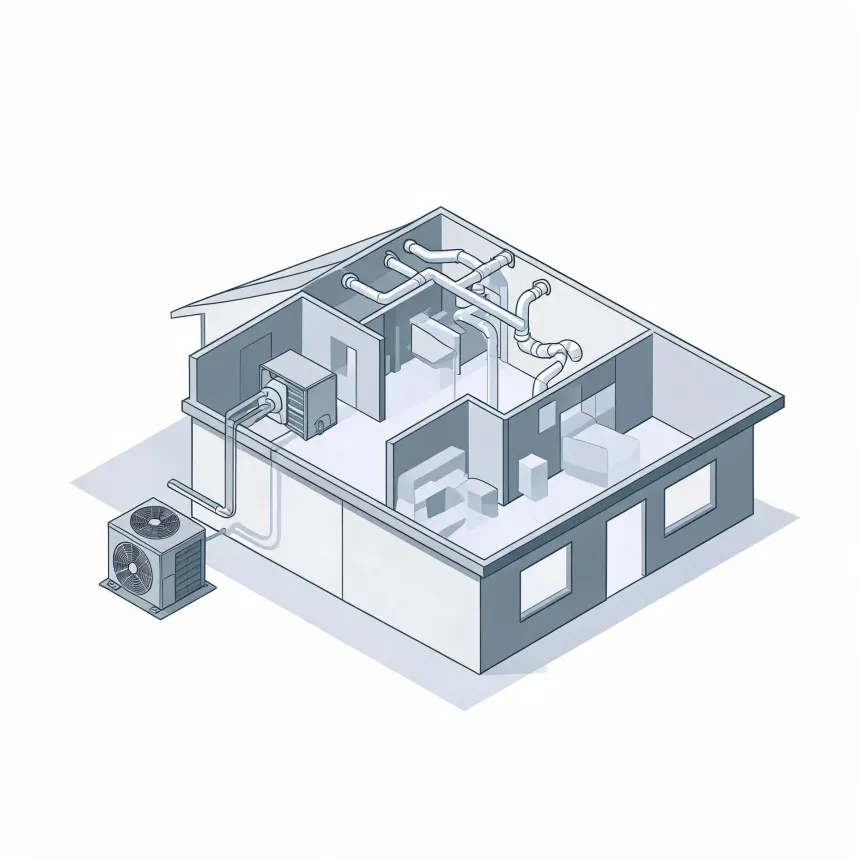
Isometric line illustration of a cutaway house showing interior rooms, ceiling ductwork connected to an indoor air handler, and an outdoor condenser unit linked by refrigerant lines.
Your air conditioner works hardest from June through August.

NOAA nClimDiv, 1991–2020 normals

Texas electricity ran 14.94 cents a kilowatt-hour in 2024, and Amarillo summers keep the AC on most of the day.

A dirty coil or a weak capacitor makes the compressor work harder for the same cooling, and you pay for that extra power every month it goes unfixed.

Cooling starts in May here. Have it checked in April.

Cooling runs May through September
Summer afternoons average 92°F
196 damaging wind events from 2015 to 2024
Five months of Texas heat on one systemAfternoon highs average 92°F in June, July and August here.

Half the homes in Potter County were built in 1963 or earlier. A system that old has been through a lot of Amarillo summers, and parts inside wear at a pace you can't see from the thermostat. The capacitor loses strength a little at a time. The coil collects dirt one layer at a season. None of that shows up as a problem until the day it does, usually on a hot afternoon when the compressor finally gives out under the strain. A yearly check catches the weak capacitor or the dirty coil while it's still a small repair, not an emergency call.

A tune-up pays for itself here

A neglected system uses more power, and power costs more here. A tune-up pays for itself.

Find a contractor
A man in a dark cap, gray T-shirt and brown work pants climbs porch steps toward an orange front door, carrying a worn canvas tool bag, with a potted shrub beside the entry.
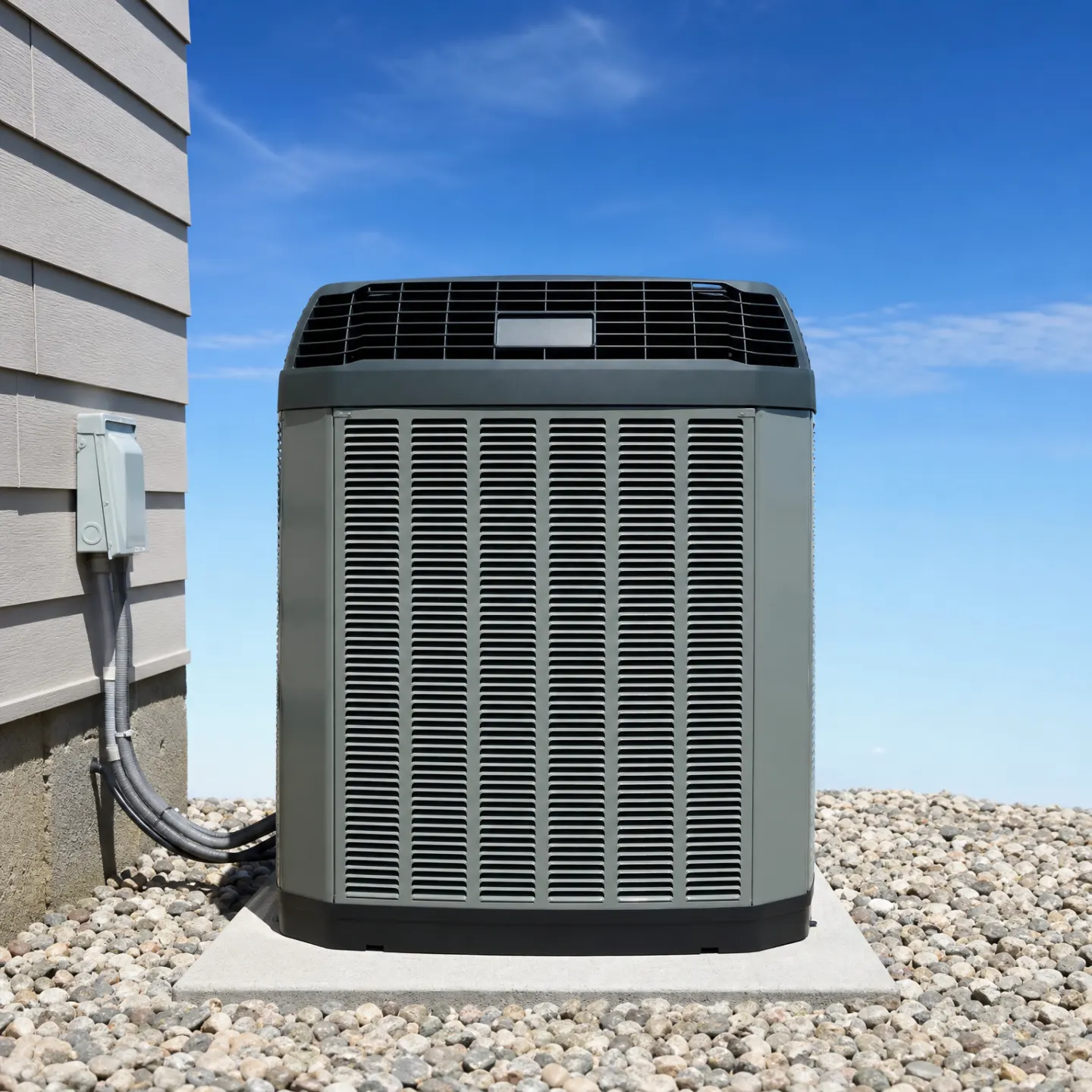
An outdoor air conditioning condenser unit mounted on a concrete pad beside a house, with electrical conduit running to a wall-mounted disconnect box.

A system left alone doesn't fail today. It fails later, and worse.

Skip the yearly check and nothing happens at first. The system still cools the house. That's what makes skipping it easy to justify. Underneath, the capacitor keeps losing strength, the coil keeps collecting dirt, and the compressor keeps working harder to move the same heat out of the house. It can run that way for a long time. What it can't do is run that way forever. Heat is hard on weak parts, and the parts stay weak, or get weaker, every day no one looks at them. The failure doesn't happen at the start of the season when the load is light. It happens deep into a stretch of hot days, when the compressor is already working as hard as it can and something finally gives.

What to listen for before it quits

A compressor that hums without starting, a fan that clicks or rattles at startup, or air that blows warmer than it used to are all worth a look before they get worse. Short cycling, where the system shuts off and restarts more than it should, is another one. None of these stop the house from cooling today. That's exactly why they get ignored until the day they don't.

What a check finds that your ears can't

Low refrigerant charge and a weak capacitor rarely announce themselves. The house still feels cool, the thermostat still clicks on, and nothing sounds wrong. Underneath, the compressor is pulling harder to move the same heat, and that strain builds for a long time before it ever shows up as a noise or a warm vent. A gauge set and a multimeter catch that kind of problem while the system is still running fine on the surface.

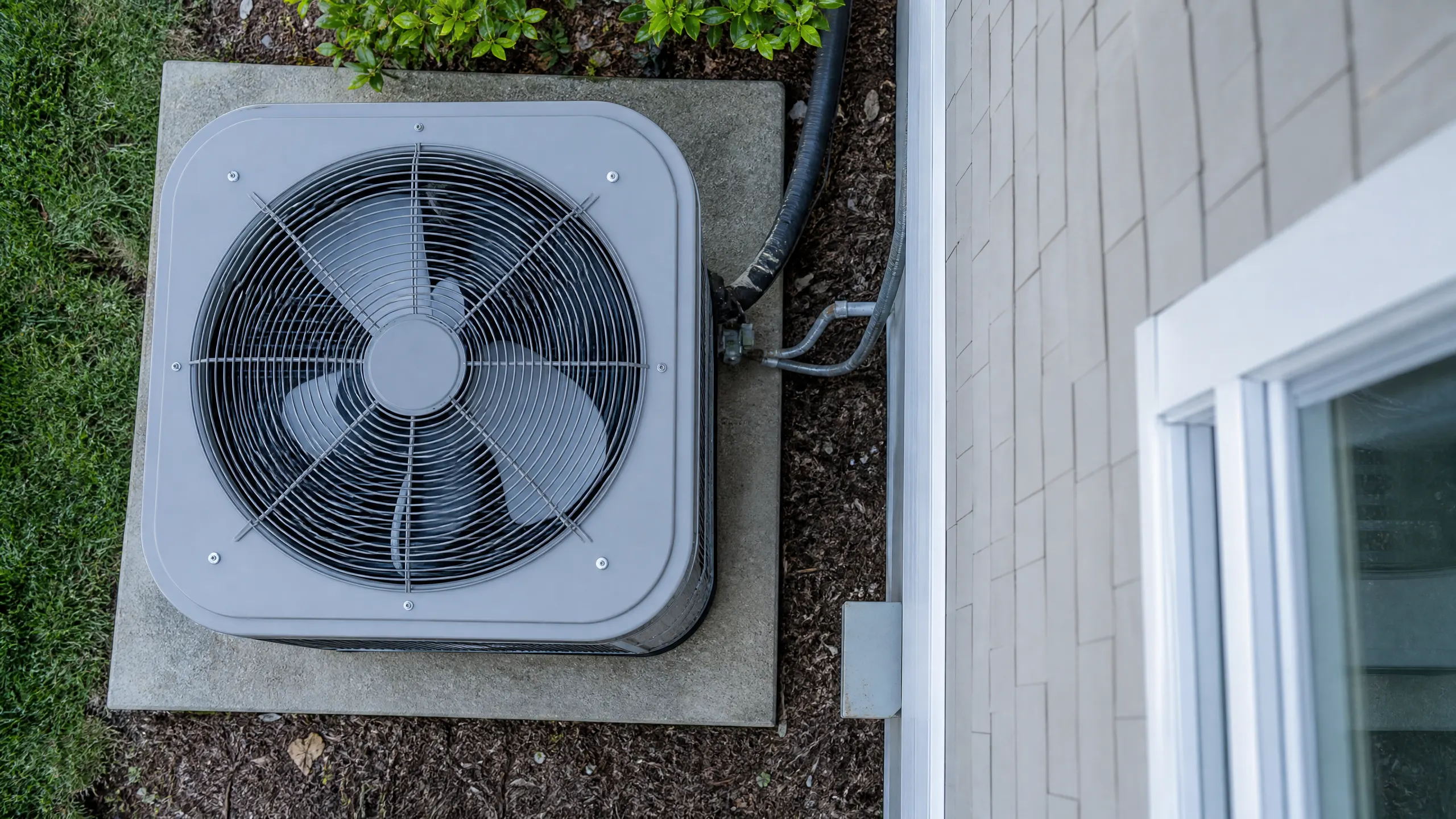
Aerial view of a residential air conditioning condenser unit mounted on a concrete pad next to a house with vinyl siding and a sliding glass door.

Book your AC tune-up in April, before homes here start needing cooling in May.

  1. Jan
  2. Feb
  3. Mar
  4. Apr
  5. May
  6. Jun
  7. Jul
  8. Aug
  9. Sep
  10. Oct
  11. Nov
  12. Dec

A tune-up checks the refrigerant charge, cleans the coils, tests the capacitor and tightens the electrical connections.

A real tune-up starts outside at the condenser, not inside at the thermostat. The technician pulls the panel, checks the capacitor's strength against its rating, and looks at the contactor for pitting, since a pitted contactor can stick or fail to make full contact. The coil gets washed from inside out, because dirt builds up between the fins where a hose from outside never reaches. Gauges go on the lines to check the refrigerant charge against what the system calls for, not just whether the air coming out feels cold. The blower wheel gets checked too, since a wheel caked with dust moves less air across the coil and makes the whole system work harder to do the same job. None of this takes long when the system is healthy. It only takes longer when something's wrong, which is the point of checking.