Texas Cooling Help
A dark, minimalist bedroom featuring a sleeping cat on a grey-quilted bed, a wall-mounted air-conditioning unit, warm cove ceiling lighting, and a pendant lamp illuminating the bedside table.

Mini Split Installation in Wichita Falls, TX

Tell us about the job

Takes about a minute. No obligation.

Step 1 of 3: Equipment

Hail and wind come through often

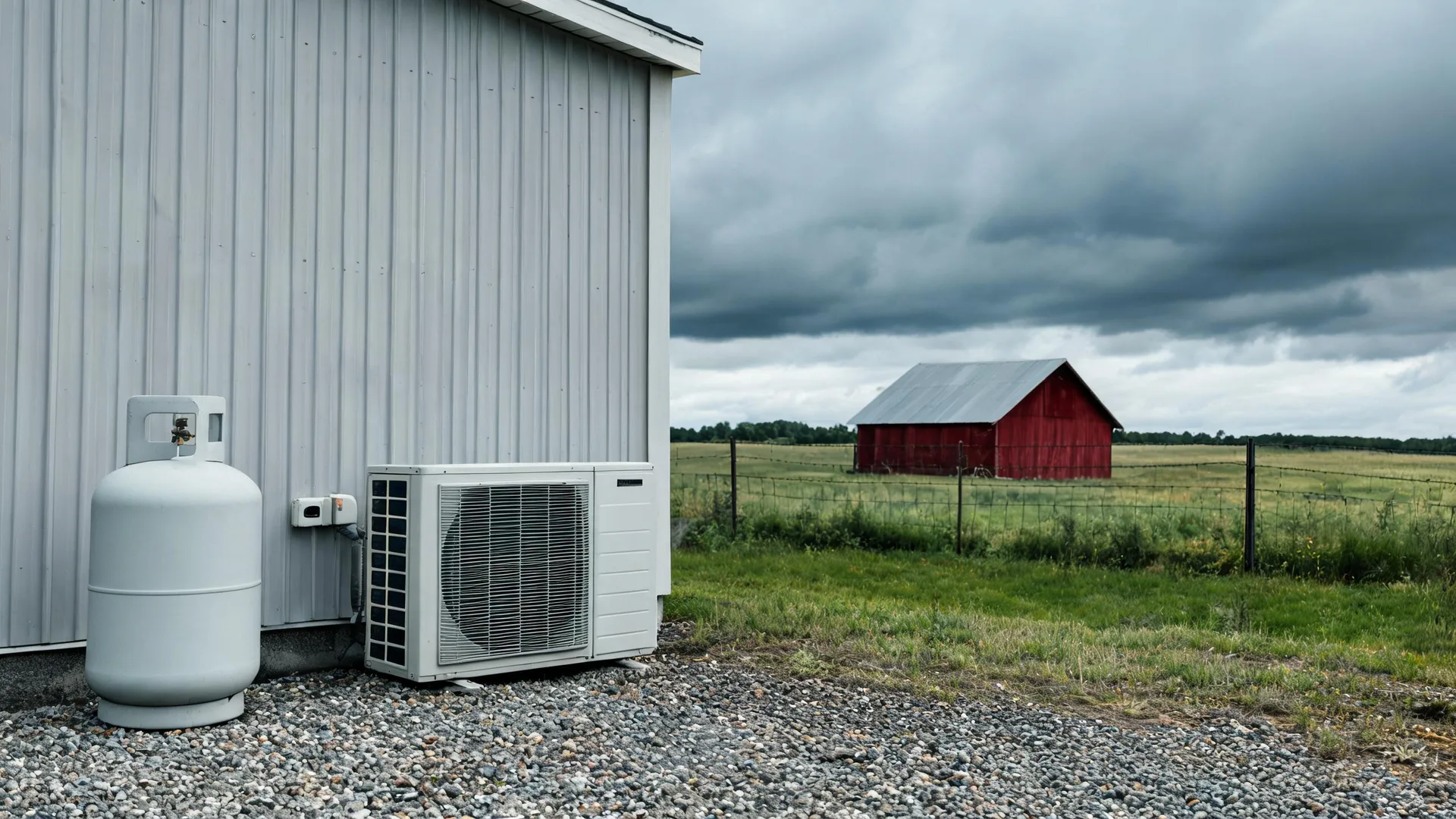
Wichita County logged 168 hail events and 117 damaging wind events over the past decade, plus 11 tornadoes. A mini split's outdoor unit sits exposed to all of it, so where it goes and what shields it matters as much as the install itself.

Power doesn't always come right back

A third of Texas households went at least 24 hours without power in 2024. A mini split needs electricity to run in either direction, heat or cool, so an outage takes the whole system down until the power is back.

5 months
November through March, your system heats
5 months
May through September, it cools
32°F
the average winter night it heats against
96°F
the average summer afternoon it cools against
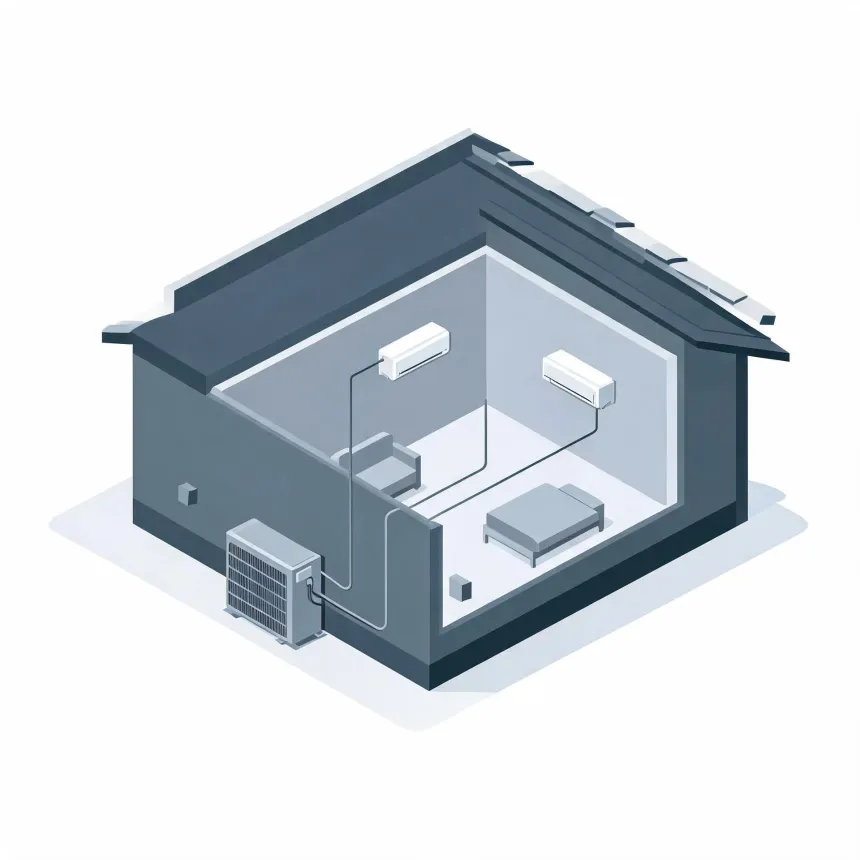
Isometric illustration of a cutaway house interior showing two wall-mounted indoor air conditioning units connected by line sets to an outdoor condenser unit beside the exterior wall.
Your system heats November through March and cools May through September.

NOAA nClimDiv, 1991–2020 normals

The old system doesn't get left in place behind the new one.

Whatever heated and cooled the space before, the line set, the old condenser, the indoor unit, comes out as part of the job.

Most of Wichita Falls heats with electricity, and a mini split fits right into that

54.5% of homes heat with electricity
Cooling runs May through September
Summer afternoons average 96°F

Cooling runs May through September here, and afternoons in June, July and August average 96 degrees. A mini split sized for those months has to hold that line day after day, not just hit it once on a mild afternoon. Undersized, it runs flat out all summer and still falls behind. Oversized, it cools the room fast and shuts off before it pulls the moisture out, so the space feels clammy even at the right temperature. The right size comes from a load calculation on the actual space, not a guess based on square footage.

A mini split that's sized right earns its keep on every bill

Texas electricity ran 14.94 cents per kilowatthour in 2024. A mini split only costs what it has to run if it's sized right for the space in the first place, so the load calculation matters as much on the bill as it does on comfort.

Find a contractor
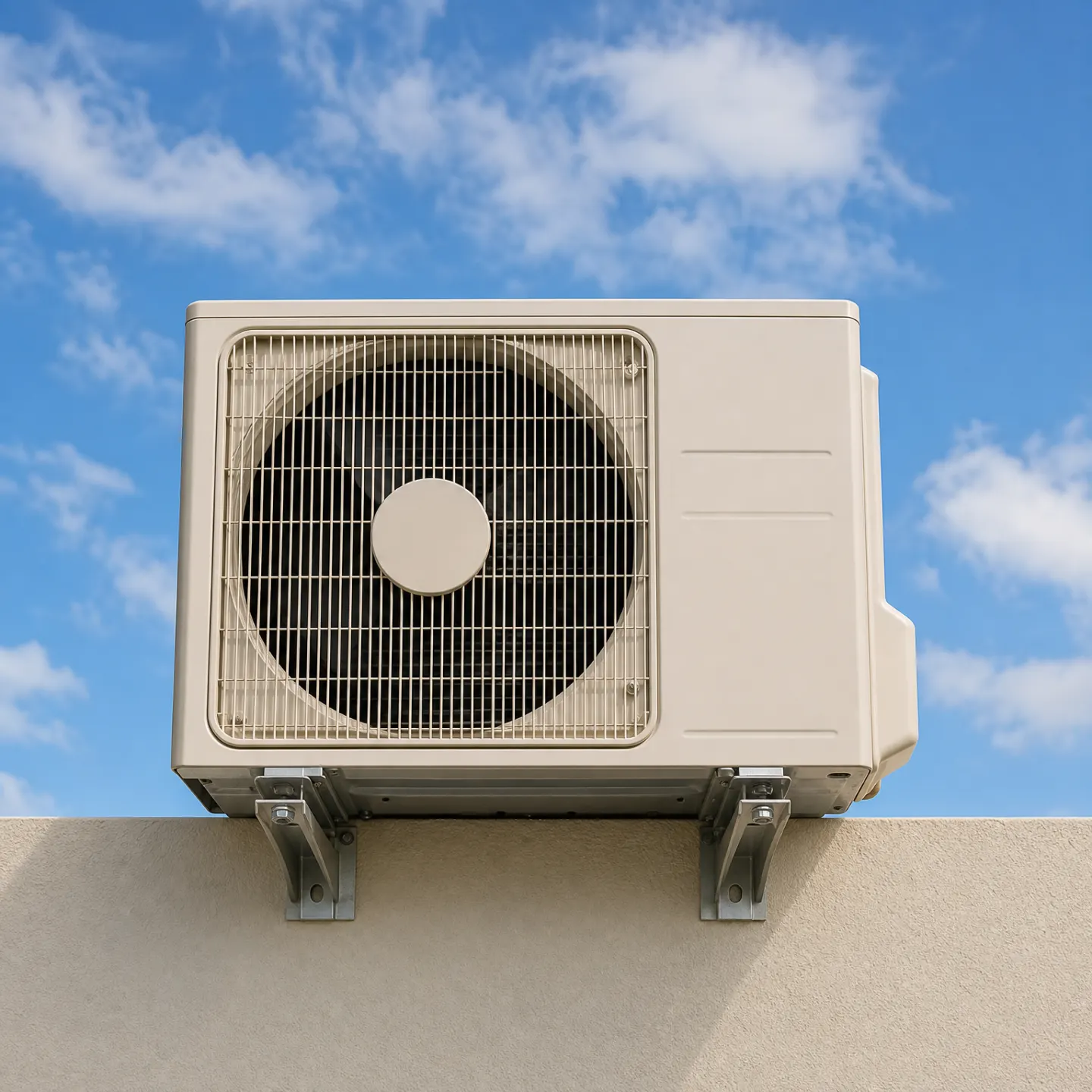
A beige split-system air conditioner outdoor condenser unit mounted on metal wall brackets atop a stucco wall.

The install is several jobs, not one

A mini split installation is really several jobs stacked together, and the price follows however many of them this one needs. Running the line set between the outdoor unit and each indoor head takes time that goes up with distance and with any wall or floor it has to pass through. Every indoor head needs its own mount and its own spot with clear airflow, so a system with several zones costs more in labor than one with a single head. The electrical side matters too. A mini split needs a dedicated circuit, and that work is quick if the panel has room and sits close by, slower if the panel is full or the run to it is long. Where the outdoor unit lands counts as well. A pad on open ground near the panel is the simple case. A wall mount, a spot up near the roofline, or a location that needs protection from weather adds steps the simple case doesn't have. None of this comes from a brochure. It comes from someone walking the space, checking the panel, measuring the line run, and pricing the job that's actually there.

Ask what each zone is rated to do on its own

Every indoor head has its own capacity, and a quote should say what each one is sized for, not just the system as a whole. A head that's undersized for its room will run constantly and still lose ground. One that's oversized cycles off before it pulls the moisture out of the air.

Ask who stocks parts for that brand nearby

A mini split breaks down to whether someone can get a board or a sensor for it when it fails. Some brands are easy to find parts for in one area and hard to find in another. A warranty is only worth what it takes to use it, so ask about parts and local service before settling on a brand.

Sizing a mini split isn't the same as sizing central air. Each indoor head is matched to the room it serves, so the calculation accounts for the windows in that room, which way it faces, what's above and below it, and how many people usually use it. A single zone sized wrong throws off comfort in just that room, but it also throws off the compressor's ability to modulate across the whole system. These systems vary their output instead of just switching on and off, and that only works well when the match between head and room is close to begin with. A head that's too big will short cycle, hitting the thermostat setting fast and shutting down before it's run long enough to pull humidity out of the air. A head that's too small runs constantly and never quite catches up. Neither failure shows up on a spec sheet. It shows up months later, as a room that never feels right no matter where the thermostat is set.

Install day starts before anyone touches a wall. The crew confirms where the line set will run and where the outdoor unit will actually sit, because once a hole is drilled through the wall for the conduit, that's the path the refrigerant lines, the drain line and the electrical whip all share. That hole gets sealed around the lines when they're done, not just stuffed with insulation, because it's an opening straight to outside. Each indoor head gets mounted to a bracket set level on the wall, then the lines get connected and the whole system gets pulled down to a vacuum before any refrigerant moves. That vacuum step matters more than it looks. Any moisture or air left in the lines turns into a problem for the compressor later, so the system sits under vacuum until the gauges confirm it's holding. Only after that does the technician release refrigerant into the lines and run the system through both heating and cooling to check that every head is doing what it's supposed to.