Texas Cooling Help
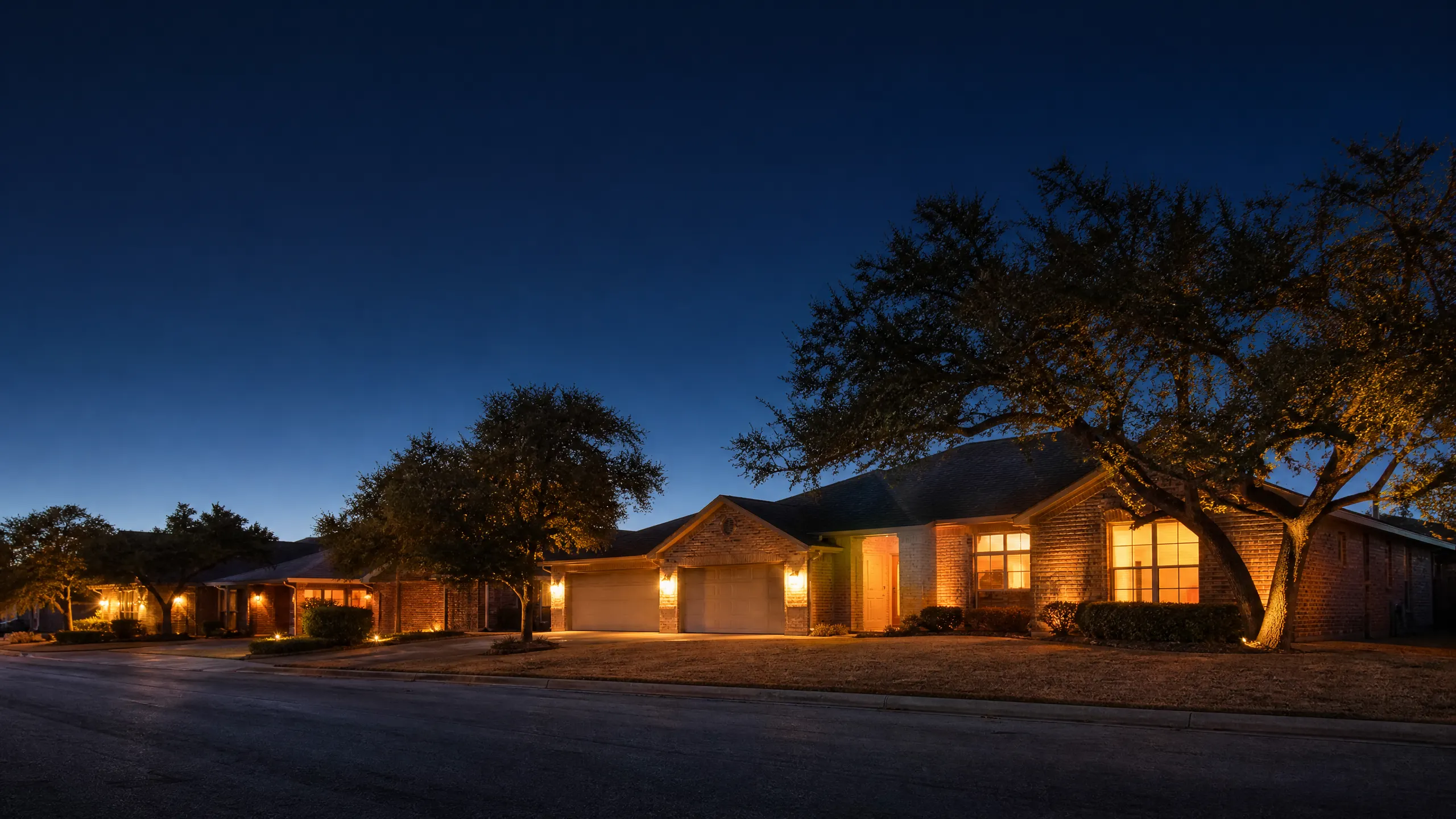
Single-story brick ranch houses with lit garages and large oak trees along a residential street at dusk.

Mini Split Installation in Plano, TX

Tell us about the job

Takes about a minute. No obligation.

Step 1 of 3: Equipment

Hail and wind are regular here

Collin County logged 283 hail events and 86 damaging wind events over the past decade, plus 11 tornadoes. A mini split's outdoor unit sits exposed to all of it, so where the installer places it and what guards the coil are worth asking about.

Power doesn't always come right back

About a third of Texas households went at least 24 hours without power in 2024. A mini split needs electricity to run, so it's worth talking to the installer about backup options if heat or cooling in an outage matters to you.

5 months
November through March, your system heats
6 months
May through October, it cools
36°F
the average winter night it heats against
93°F
the average summer afternoon it cools against
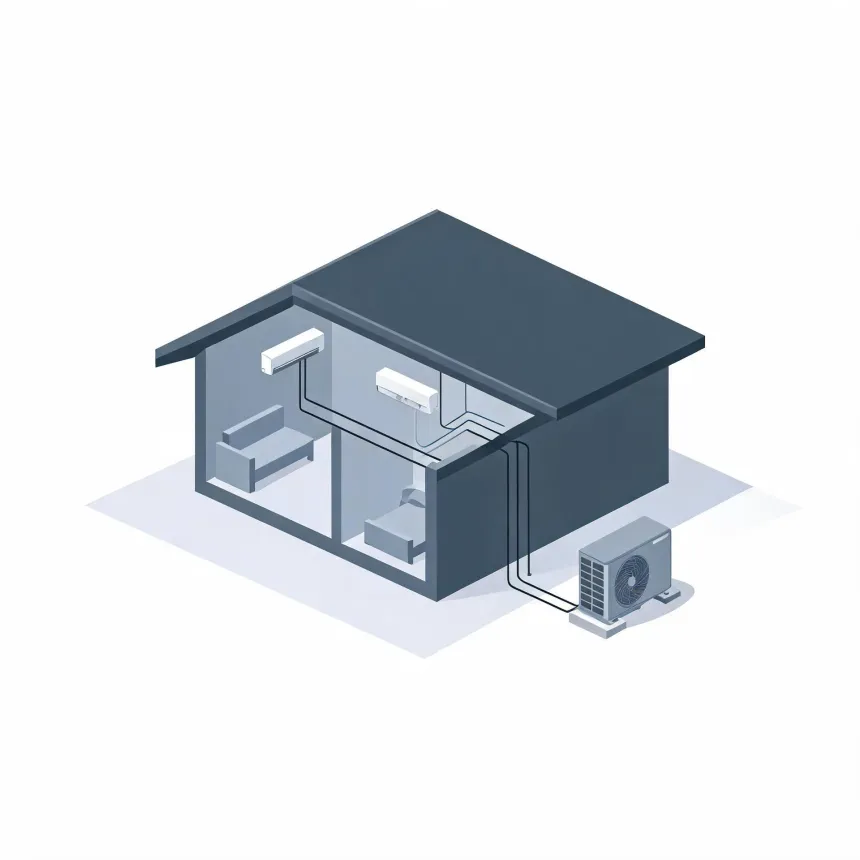
Isometric illustration of a cutaway house showing two wall-mounted mini-split indoor units connected by line sets to an outdoor condenser on a pad outside.
Your system heats November through March and cools May through October.

NOAA nClimDiv, 1991–2020 normals

The efficiency number on a mini split is a ratio, not a size.

A higher-rated system costs less to run over a season, but only the installer sizing the unit to the space gets you there.

Electricity here runs 14.94 cents a kWh, and this system runs all summer

Power costs 14.94 cents a kWh statewide
Cooling runs May through October
Summer afternoons average 93°F

Plano sits in climate zone 3A, which the energy code calls warm and humid with long cooling seasons and short winters. A mini split installed here has to meet the federal minimum for that split-system class, which is 14.3 SEER2 for cooling and 7.5 HSPF2 for heating. That floor applies whether the unit is ducted or ductless, since the standard treats them the same. Going above that minimum is where the federal tax credit comes in, since higher-efficiency equipment can qualify. The installer can tell you which units on the market clear the local minimum and which also qualify for the credit.

An electric system for a county that mostly heats on electricity

Close to half of homes in Collin County heat with electricity, and a mini split is an electric system through and through, no gas line to tie into. That makes it a straightforward swap for a home already set up that way. Ask the installer to size it for this house and check whether the unit you're considering clears the efficiency minimum for the credit.

Find a contractor
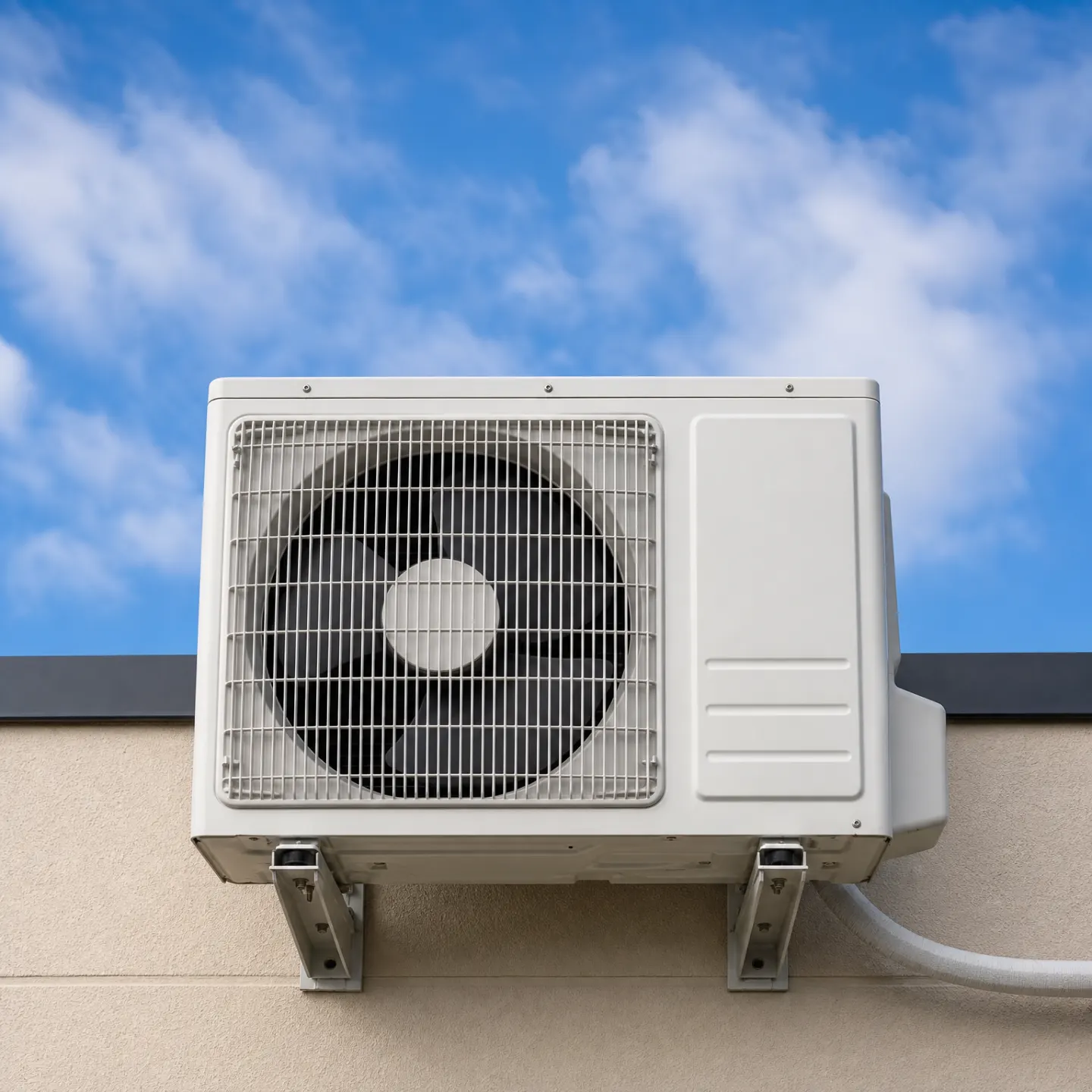
A white mini-split air conditioner outdoor condenser unit mounted on metal brackets against a beige stucco exterior wall, with a blue sky and scattered clouds in the background.

Six months of cooling start in May

Cooling runs here from May through October, six months of the year. April is the month to get a mini split installed, before that stretch starts. An installer working in April has time to size the unit to this house and plan the install, not squeeze it in once the heat has already set in. Wait past April and you're working around whatever crew and equipment happen to be free when the calls start coming in.

Sizing comes from a room by room load calculation

A mini split is sized by working out how much heat a space gains in summer and loses in winter, counting windows, exterior walls, and what's above and below each room. Square footage alone doesn't answer it. Rooms the same size can need different capacity depending on which way the windows face and whether there's a ceiling above or another floor below.

Oversized or undersized, the result is the same discomfort

A unit too big for the space cools fast and shuts off before it pulls the moisture out of the air, so the room feels clammy even at the right temperature. A unit too small runs constantly and never quite catches up on the hottest days. Either way you feel it in the room, which is why the load calculation matters more than picking a bigger number to be safe.

The price of a mini split comes down to how much equipment and labor the job actually takes. One indoor head tied to one outdoor unit costs less than a multi-zone setup feeding several rooms, since each added zone means another line set, another mounting job, another indoor unit to hang and wire. Where that line set runs matters too. A short, straight path through a nearby wall is simple work. A run up through an attic or across the house to reach the outdoor unit means more refrigerant line, more holes cut, more time spent getting it there. The outdoor unit's spot plays in as well. A pad on level ground near an accessible wall goes faster than a spot that needs a bracket, a riser, or a longer electrical run back to the panel. Pulling out an old system before the new one goes in adds its own labor on top of all that.

Install day starts with the line set, not the equipment. The crew runs refrigerant lines and a drain line between the indoor head and the outdoor unit, usually through a single hole drilled where the wall backs up to the outdoor unit's spot. Once the lines are run, the indoor head mounts to a bracket on the wall and the outdoor unit sets on its pad or brackets outside. The lines get connected, then the system is evacuated with a vacuum pump to pull out moisture and air before any refrigerant moves through it. Skip that step and moisture left in the lines turns to acid over time, eating away at the compressor from the inside. Once the vacuum holds, the refrigerant valves open, the electrical connections get made, and the installer runs the system through both heating and cooling to check it's pulling the temperature down and holding it.