



Texas Cooling Help
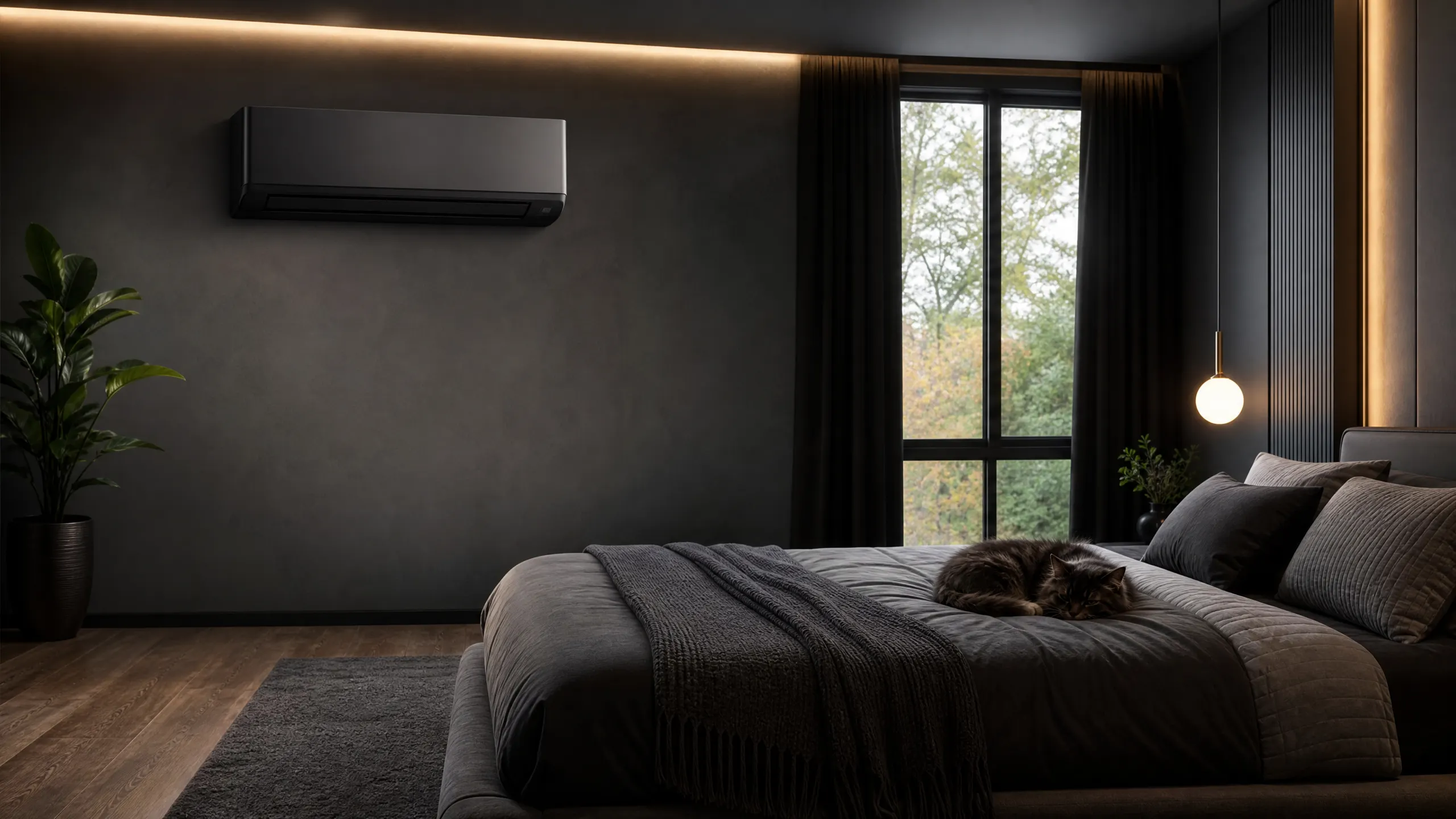
A dark modern bedroom with grey bedding, a wall-mounted air conditioning unit, and a cat resting on the bed.

Mini Split Installation in Pearland, TX

Tell us about the job

Takes about a minute. No obligation.

Step 1 of 3: Equipment

A mini split's SEER2 rating matters more in Texas than in states with milder summers, because Pearland homes paid 14.94 cents per kilowatthour in 2024, above what many states pay. A mini split that runs efficiently all summer keeps that rate from adding up the way an older window unit or an undersized system would. Since there's no ductwork losing cooled air along the way, the unit also isn't working to make up for leaks it can't control. Ask about the SEER2 rating on any system you're comparing, and look at the number itself rather than taking a contractor's word that one unit is efficient.

3 months
December through February, your system heats
7 months
April through October, it cools
47°F
the average winter night it heats against
91°F
the average summer afternoon it cools against
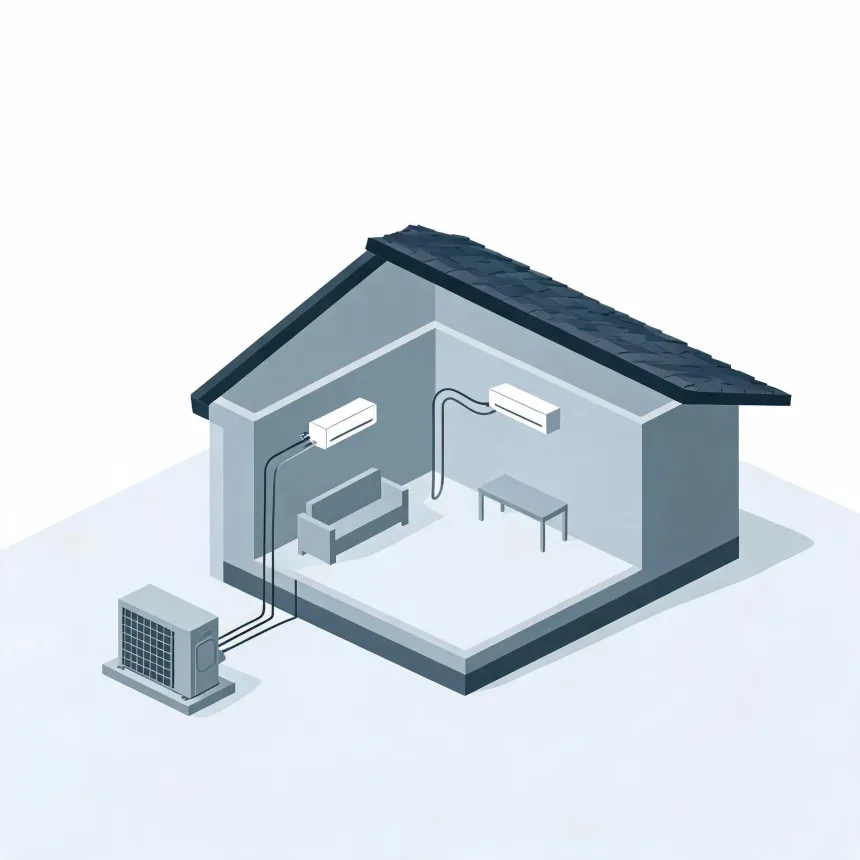
Isometric illustration of a cutaway house showing two wall-mounted indoor air conditioning units connected by line sets to an outdoor condenser unit, with a sofa and table inside the room.
Your system heats December through February and cools April through October.

NOAA nClimDiv, 1991–2020 normals

Brazoria County logged 124 severe weather events between 2015 and 2024, including damaging wind and hail.

A mini split's outdoor compressor needs a spot that keeps it clear of falling debris, not just close to a window.

Almost half of Brazoria County heats with electricity

48.3% of homes heat with electricity
Cooling runs April through October
Summer afternoons average 91°F
Pearland runs cooling seven months a yearCooling runs April through October here, so March is the month to get a mini split in before you need it.

Brazoria County falls under zone 2A, a hot and humid climate where cooling runs more of the year than heating. Any mini split installed here, ductless or not, counts as a split system under the federal minimum, which calls for at least 14.3 SEER2 for cooling and 7.5 HSPF2 for heating. That's the floor, not a special ductless category. A unit priced below that standard can't legally go into a new installation. On top of that floor, a federal tax credit is available for qualifying high-efficiency equipment, worth checking against whatever system you're considering before you decide.

Seven months of 91 degree afternoons is hard work for any system

From April through October, your mini split is the only thing standing between you and a Brazoria County summer, and the afternoon high averages 91°F through June, July and August. Size it for this house, not for the lowest bid you get. A unit that's too small runs flat out all season. One that's too big cycles on and off and never pulls the humidity down right. Either way, the parts wear sooner than they should.

Find a contractor
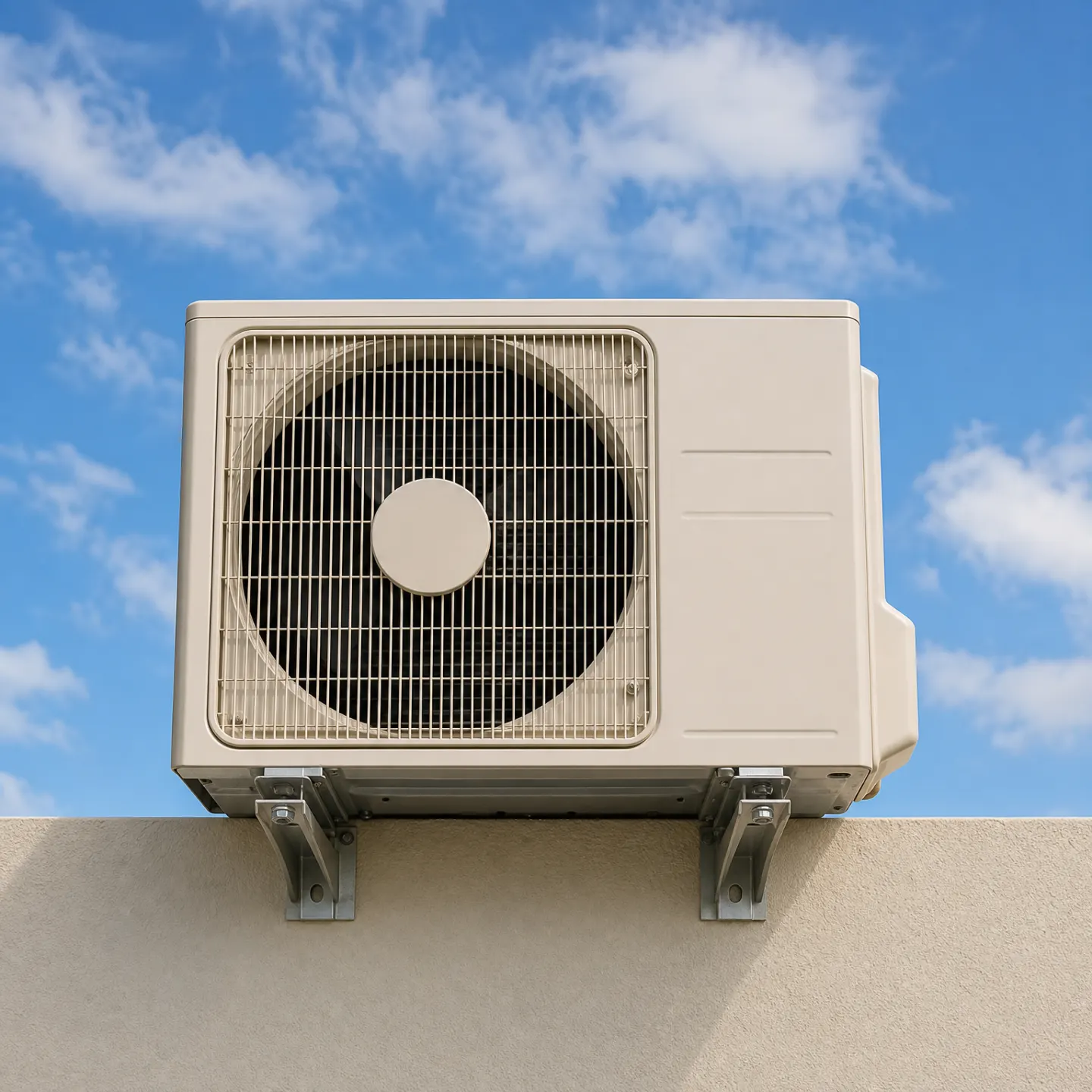
A beige split-system air conditioner outdoor condenser unit mounted on metal wall brackets atop a stucco wall.

Seven months a year, this unit doesn't get a break

Ask for a load calculation on this house, not a guess based on square footage alone. Window count, insulation, which way the house faces, all of it changes the number. A contractor who sizes it right the first time gives the compressor seven months of running the way it was built to, instead of fighting a mistake every afternoon from April through October.

What happens to the old equipment

If a central system is coming out to make room for mini splits, the old furnace or air handler and the outdoor condenser both get disconnected and hauled off. The refrigerant in that old condenser has to be recovered first, not vented, so factor that step into the job. Ductwork is a separate decision. It can stay in place for a few rooms or a lower floor, get sealed off at the registers, or come out entirely if nothing is using it anymore.
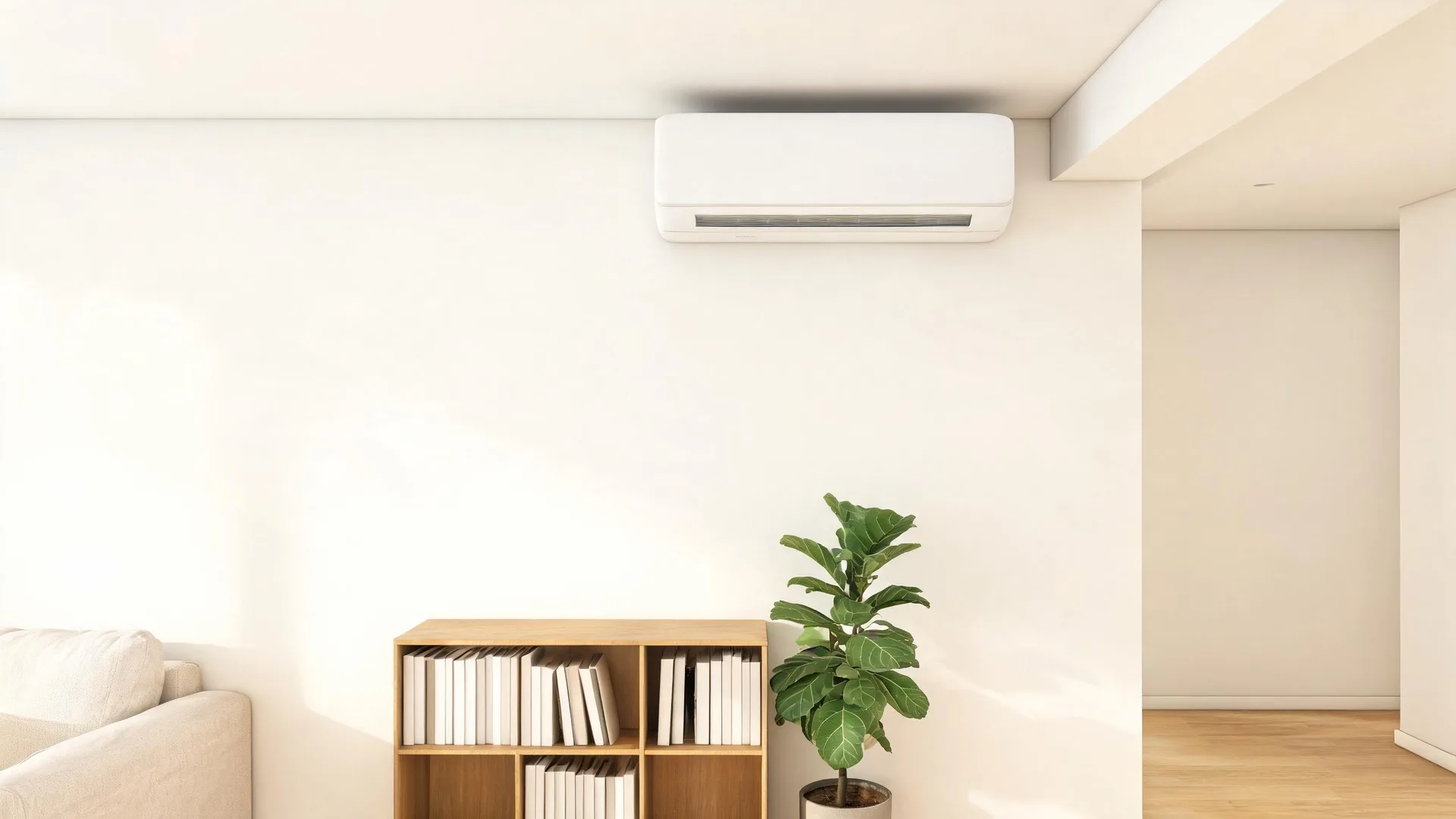
What to decide before it's gone

Once ducts are sealed or removed, going back means opening walls and ceilings again, not just hanging a new unit. If there's any chance part of the house keeps a central system later, or a future owner might want one, that's worth settling now rather than after the old ductwork is out. A contractor pulling the old system can tell you what condition the ducts are in before you decide what to do with them.

Sizing a mini split comes down to a room by room heat load, not a square footage chart. A contractor works out how much heat each room gains from the sun, the walls, the windows, even the people and appliances in it, then matches that to the capacity of the indoor head going in that room. Skip that step and guess instead, and the mismatch shows up fast. A head that's too small for its room runs at full output constantly and still can't hold the temperature on the hottest afternoons. One that's too big cools the air quickly, shuts off, and leaves the room clammy, because it never runs long enough to pull the moisture out along with the heat. Multi zone systems make this harder to eyeball, since the outdoor compressor has to be matched to the combined load of every indoor head running off it, not just added up loosely. Getting the load calculation right the first time means the system spends the summer doing what it was built for instead of straining against a size mistake.

Installation starts with where the lines run, not where the indoor head hangs. The refrigerant lines and a small drain have to get from each indoor unit to the outdoor compressor, usually through one hole drilled in the wall behind the head. That hole gets sealed once the lines are in, so cold air and moisture stay outside where they belong. Inside, the head mounts to a bracket on the wall, level, with enough clearance above and below for air to move through it. Outside, the compressor gets set on a pad or bracket, the lines get connected, and the whole system is pressure tested before it's charged with refrigerant. Nothing runs until that test confirms there are no leaks in the line.