Electricity here runs 14.94 cents per kilowatthour
Texas homes paid that rate in 2024. A mini split that loses efficiency to a bad install or the wrong size unit turns that rate into a bigger bill every single month.
Takes about a minute. No obligation.
Texas homes paid that rate in 2024. A mini split that loses efficiency to a bad install or the wrong size unit turns that rate into a bigger bill every single month.
The SEER2 rating on the box only holds up if the line set is sized right and the unit is matched to the room it's cooling. A contractor who sizes it correctly is what makes that rating mean something on your bill.
NOAA nClimDiv, 1991–2020 normals
Comal County logged 72 hail events and 27 damaging wind events in the last ten years.
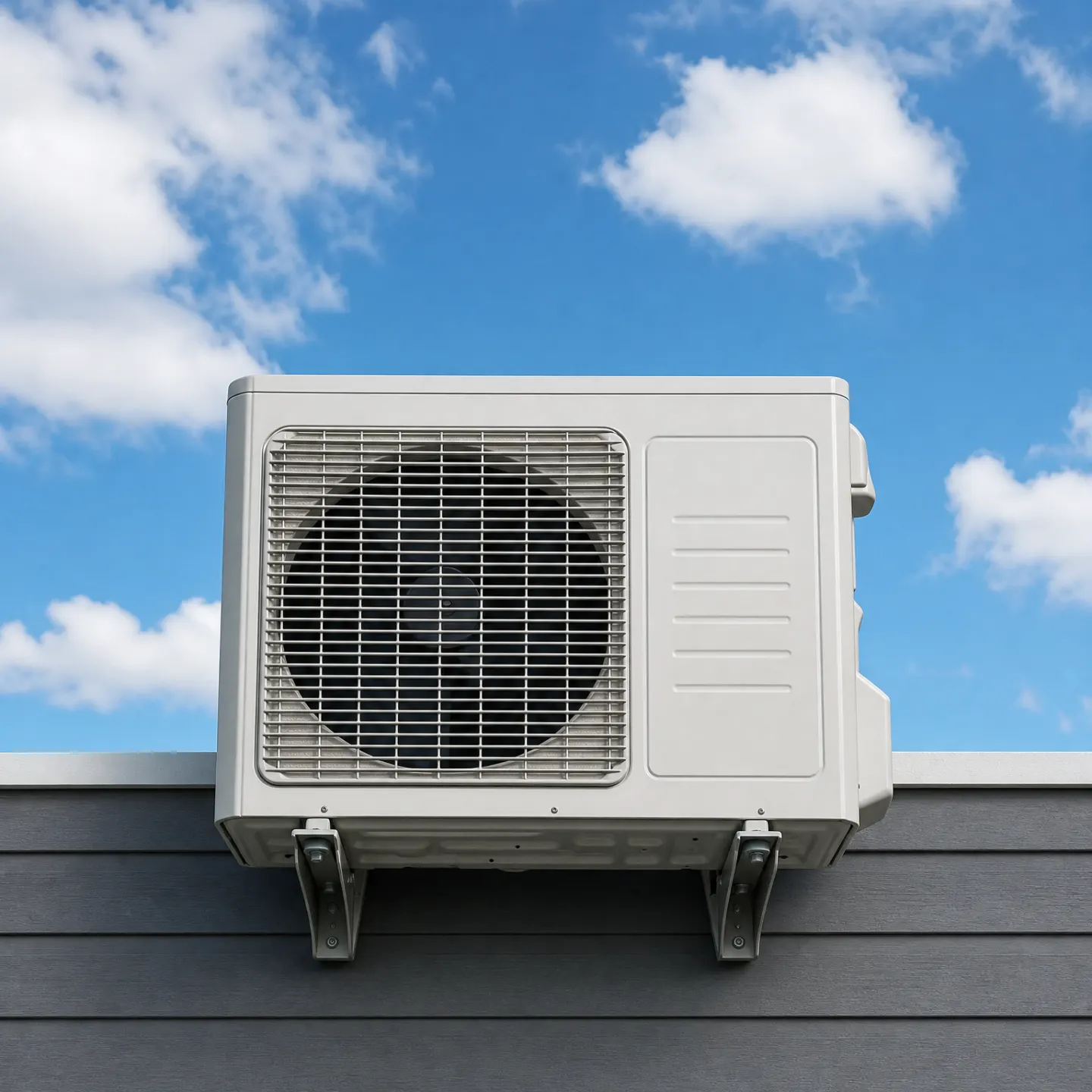
An outdoor condenser sitting in the open takes that hit, so where the installer puts it is worth deciding up front.



Electricity heats 76.4% of homes in Comal County. Utility gas comes in at 16.6%, and LP gas covers another 5.8%. A mini split fits into a place like this without working against the grain, since it runs on electricity to begin with and doesn't ask you to add a gas line or rework anything. For a home already wired for electric heat, adding one is mostly a question of running the line set and mounting the condenser, not changing how the house gets its energy. That's a simpler job than retrofitting a home built around gas, and it's one reason mini splits show up so often in this county.
New Braunfels sits in climate zone 2A, where cooling carries most of the load. Any mini split installed here has to clear 14.3 SEER2 for cooling and 7.5 HSPF2 for heating, the federal minimum for split-system heat pumps. That rules out the lower end of the market before you even start comparing units. A federal tax credit is available toward the cost of a qualifying system.
Find a contractorSeven months of cooling, April through October, with afternoons averaging 94 degrees in June, July and August. That's the load your new unit sits under every year, not just on the worst day of summer. A unit sized too big or too small for the room has to work against that load instead of with it, cycling more than it should to hold the temperature. Sizing it to the room is what keeps the wear where it belongs, on a system built to carry it.
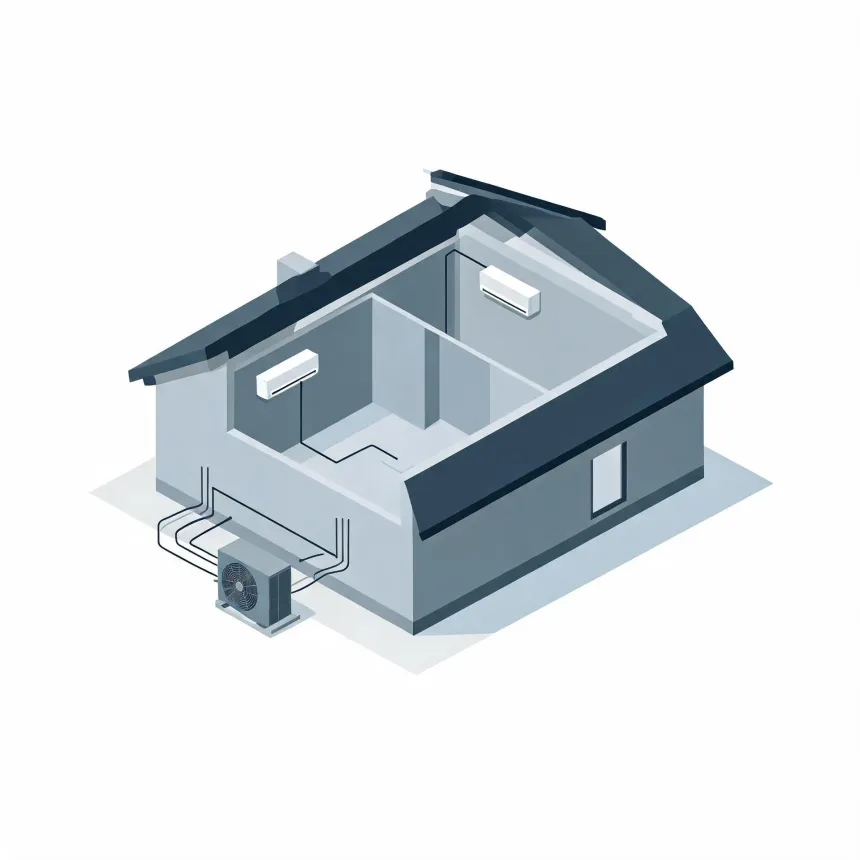
A mini split installation usually starts with the new line set and the new condenser. The old system, whatever it is, keeps running while that work happens. The cutover happens near the end, so there's no stretch of days with no heat or cooling in the room.
If a window unit comes out, there's a hole in the wall or frame that needs closing up. If an old ducted system or split is being replaced, the old line set and mounting bracket need to come down too, not just get covered over. Removing it properly is what keeps the new install from fighting old holes and old wiring.
The SEER2 number on the box is a ceiling, not a guarantee. It's measured in a lab with the right charge, the right airflow, and a line set length the test doesn't have to work around. Put that same unit in a wall with the line set too long or the refrigerant charge off a little, and it settles in well below its rating, every hour it runs. That's not a flaw in the unit. It's the install deciding whether the rating on the sticker ever shows up in the room. A system with a lower rating put in correctly can end up pulling less power than a higher rated one that was sized or charged wrong.
A few things decide what an installation runs, before you ever get to the unit itself. The path the line set has to travel is one of them. A straight run from condenser to indoor head costs less than a path that has to turn a corner, cross a floor, or climb through an attic. Where the condenser ends up matters too. A pad close to the wall is a shorter job than one set further out for noise or clearance. Electrical work is its own variable. Some installs tie into a panel with room to spare, others need a new circuit run, and that difference shows up in the total. The wall itself plays a part as well, since mounting a bracket and running a line through brick or stucco takes more time than through drywall. None of this is about the brand on the unit. It's about the path the installer has to build to get it running.