




Texas Cooling Help
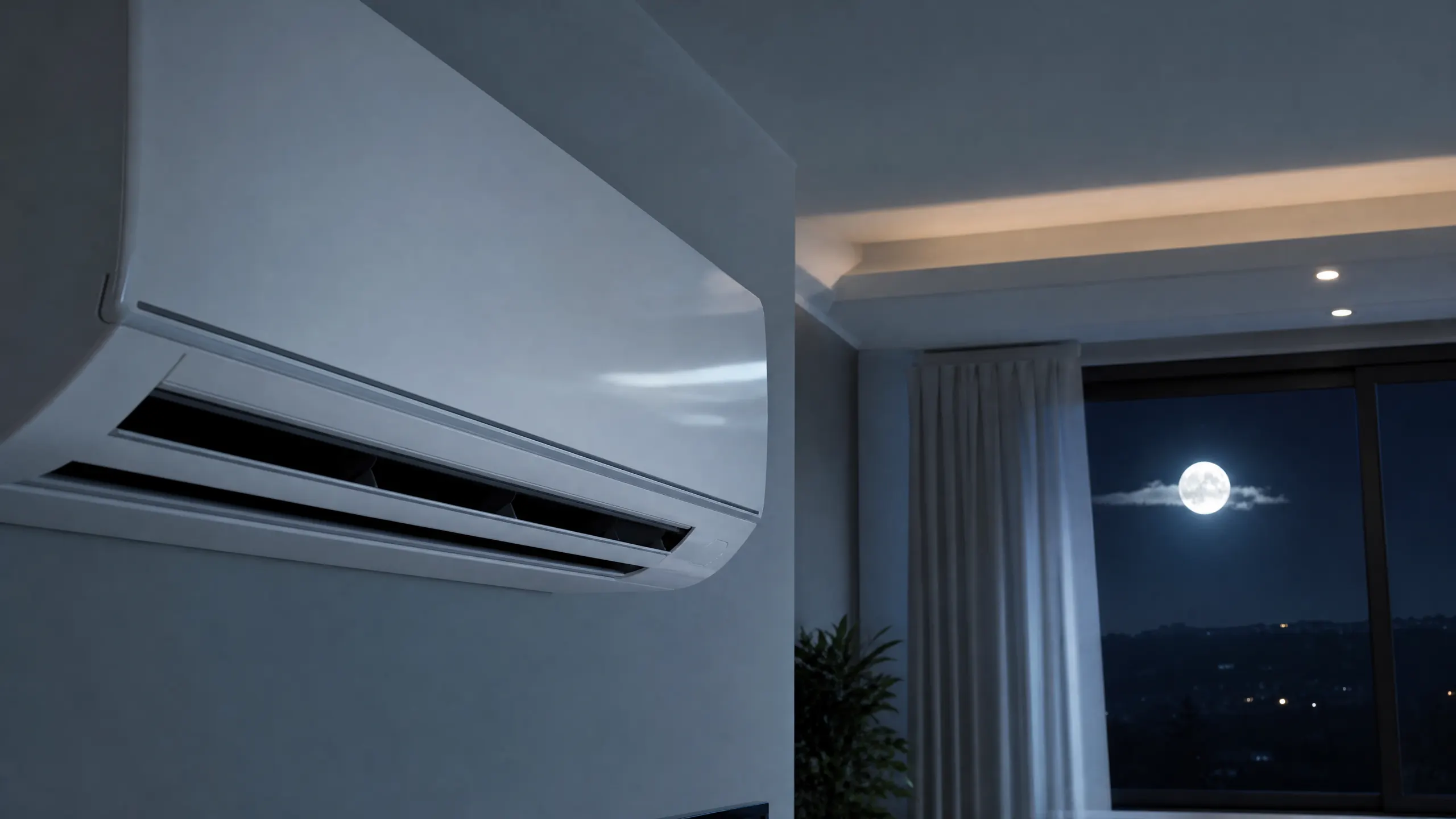
A white wall-mounted split air conditioning unit in a dimly lit modern room, with a full moon visible through the window at night.

Mini Split Installation in League City, TX

Tell us about the job

Takes about a minute. No obligation.

Step 1 of 3: Equipment

Texas homes paid 14.94 cents per kilowatthour in 2024, more than a lot of the country. A mini split moves heat instead of burning fuel to make it, so it covers the same room on less power than a window unit or electric baseboard would. In League City, cooling runs most of the year, so that difference shows up on bill after bill. A SEER2 rating tells you how one unit stacks up against another on efficiency, and it's worth comparing before you settle on one.

3 months
December through February, your system heats
7 months
April through October, it cools
48°F
the average winter night it heats against
90°F
the average summer afternoon it cools against
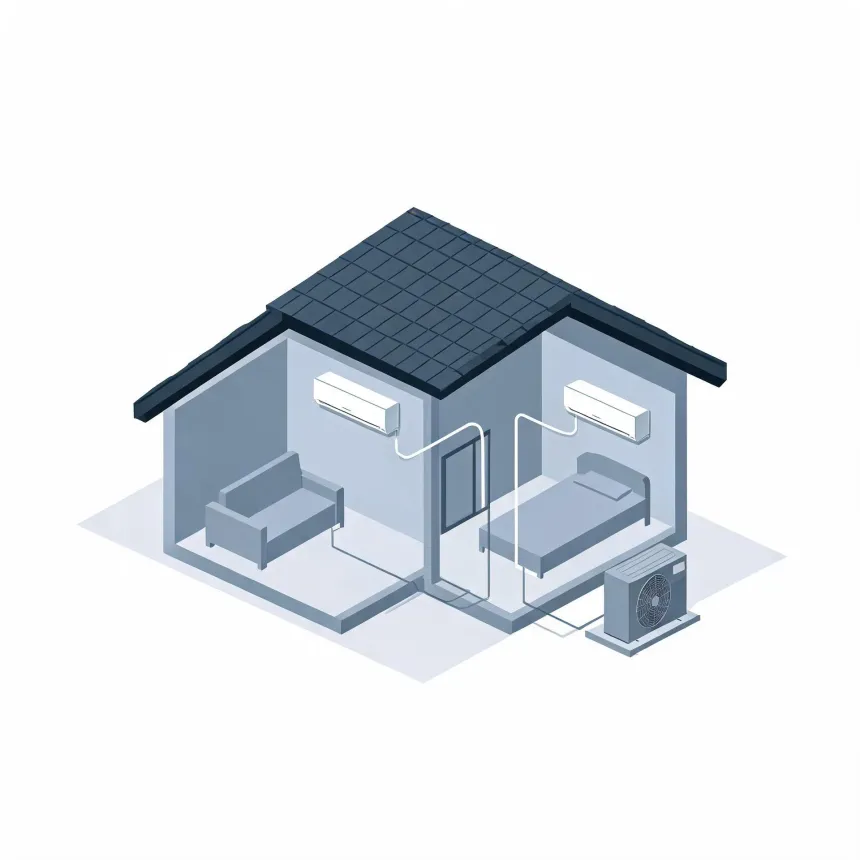
Isometric illustration of a cutaway house with two rooms, showing two wall-mounted indoor air conditioning units connected by lines to a single outdoor condenser unit outside the building.
Your system heats December through February and cools April through October.

NOAA nClimDiv, 1991–2020 normals

Cooling runs April through October here, seven months straight.

Get the mini split installed before April so the job happens on your schedule, not during the first hot week.

Galveston County sees storms almost every month, and the power doesn't always hold

94 severe weather events from 2015 to 2024
33% of homes statewide lost power a day or more in 2024
48 damaging wind events from 2015 to 2024
Seven months of heat a yearLeague City afternoons average 90°F in June, July and August

Electricity heats 51.6% of homes in Galveston County, more than gas or any other fuel. A mini split fits that setup without any changes to the house. It runs on electricity already, the same as the baseboard heaters or electric furnace it might replace, so there's no gas line to add or remove. For a lot of homes here, it's a straight swap into what the wiring already expects.

A new mini split here has to meet zone 2A's efficiency minimums

Galveston County sits in climate zone 2A, and any mini split installed here has to clear 14.3 SEER2 for cooling and 7.5 HSPF2 for heating. That's the floor, not a suggestion, and it narrows the field before you start comparing units. A federal tax credit is available on qualifying equipment, so it's worth checking which systems meet it before you decide.

Find a contractor
A man in a gray T-shirt and tan work pants, carrying a canvas tool bag, climbs porch steps toward an orange front door beside a potted shrub.
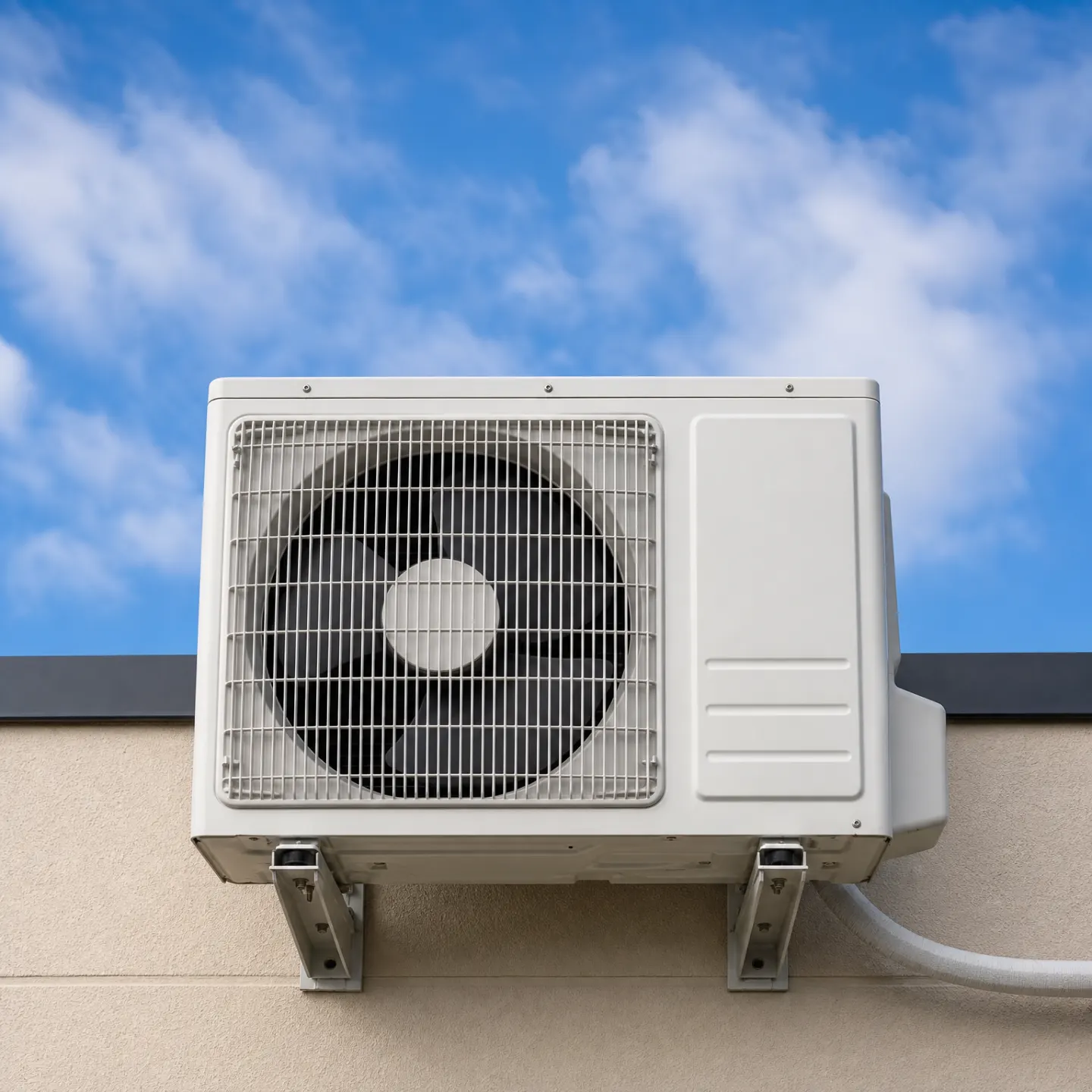
A white mini-split air conditioner outdoor condenser unit mounted on metal brackets against a beige stucco exterior wall, with a blue sky and scattered clouds in the background.

What to ask before you pick a unit

A mini split that runs for years without trouble starts with the sizing, not the brand. Ask how the contractor is sizing the unit for the room, not just the square footage. The shape of the room, the windows, what's above and below it all change the load, and a unit that's too big will short cycle, turning on and off instead of running steady. That wears the compressor faster and leaves the room clammy even when it feels cool. Ask about the line set run too, the distance between the outdoor unit and the indoor head, since a longer run changes what size compressor you need. And ask what happens to the outdoor unit over time, since it sits outside in the heat and rain for as long as the system lasts and runs far more hours per year than a furnace ever does.

The rating is a ratio, not a size

SEER2 compares the cooling a unit puts out against the power it takes to do it. A higher number means more cooling per watt, nothing about how big a space it can handle. Units at the same SEER2 rating can still come in different capacities, so the rating tells you how efficiently a unit runs once it's sized right, not whether it's the right one for the room.
The number on the label is a best case

SEER2 is measured under set lab conditions, not the conditions in any one room. A unit still has to be sized to the space and installed with a clean line set run to get close to that number. Skip either one and the unit can run well below its rating for as long as it's in the house, even though the label never changes.

The price of a mini split installation comes down to how many indoor heads it has and how much work the line set takes. A single zone cooling one room costs less than a multi-zone system feeding several rooms off one outdoor unit, since each extra head means another line set run and another spot to mount it. Where the outdoor unit sits matters too. A straight run to a wall nearby is simple. A run up through a wall cavity or across a long stretch of exterior takes more time and more material. The electrical work counts as well, since a mini split needs its own dedicated circuit, and whether the panel already has room for it or needs new breaker space changes the job. None of this shows up on the unit's price tag, but it shows up in the quote.

If the old system is ducted, the ducts usually stay. A mini split doesn't need them, but ripping out ductwork is its own job and most homeowners leave it alone unless it's damaged or in the way. If the old system is a window unit or electric baseboard, that gets disconnected once the mini split is in and carrying the load. Whoever handles the install should also deal with refrigerant from the old unit properly rather than just venting it, since that's regulated. Ask what happens to the old equipment before the job starts, not after, so there's no surprise about who hauls it off.