



Texas Cooling Help
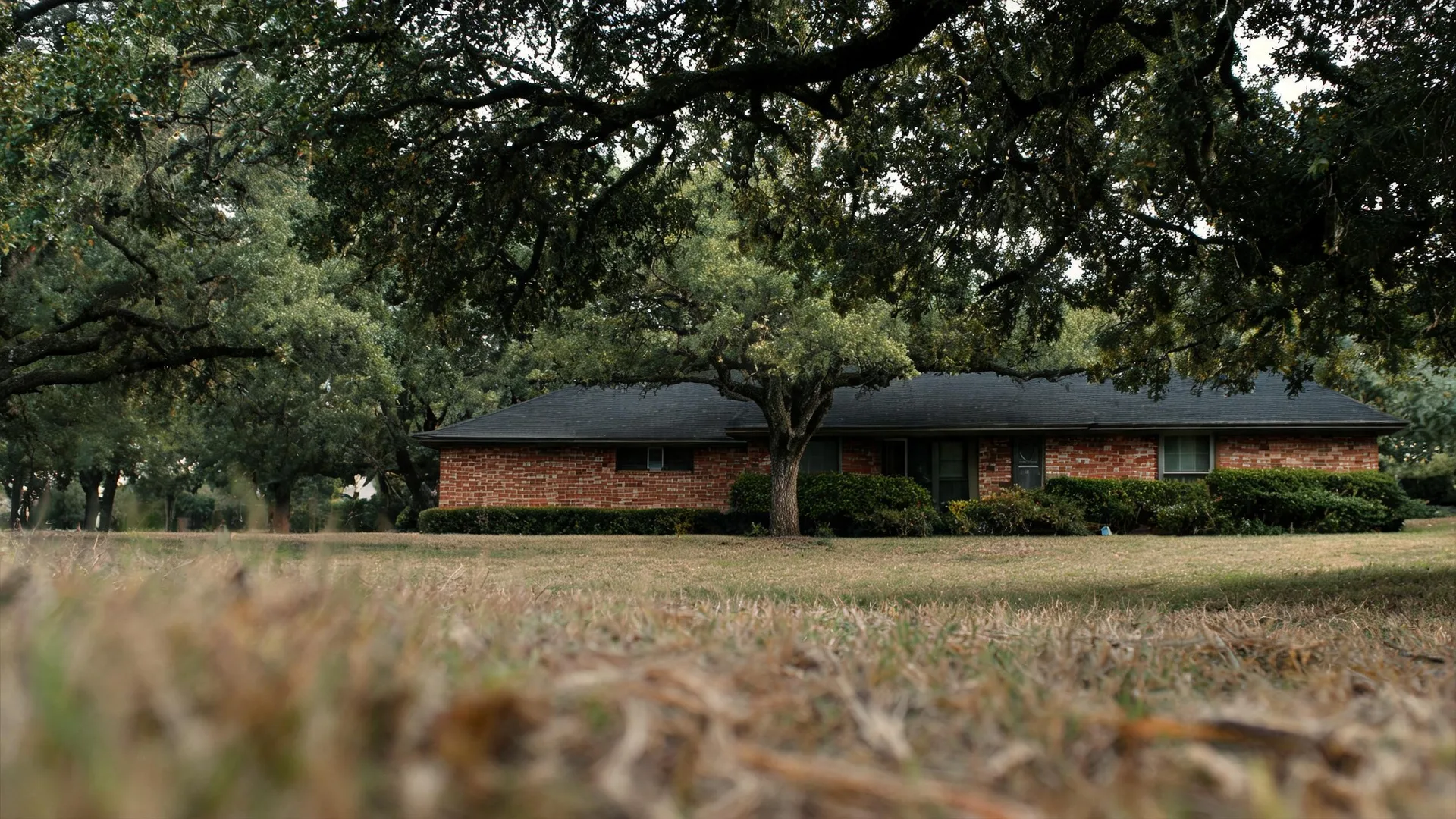
A single-story brick house with a dark shingled roof sits behind trimmed shrubs, framed by large overhanging oak branches, with a dry grass lawn blurred in the foreground.

Mini Split Installation in Laredo, TX

Tell us about the job

Takes about a minute. No obligation.

Step 1 of 3: Equipment

Electricity in Texas ran 14.94 cents per kilowatthour in 2024. A mini split earns back that rate difference in a place like Laredo, where cooling runs for months at a stretch. The inverter compressor in a mini split ramps down instead of shutting off and restarting, so it uses less power to hold a temperature than a system that cycles on and off all day. That matters more here than almost anywhere, because the unit spends so much of the year working. Look at the SEER2 rating when you compare systems. It tells you how efficiently a unit turns electricity into cooling, and at Laredo rates, that difference shows up on every bill.

3 months
December through February, your system heats
8 months
March through October, it cools
47°F
the average winter night it heats against
98°F
the average summer afternoon it cools against
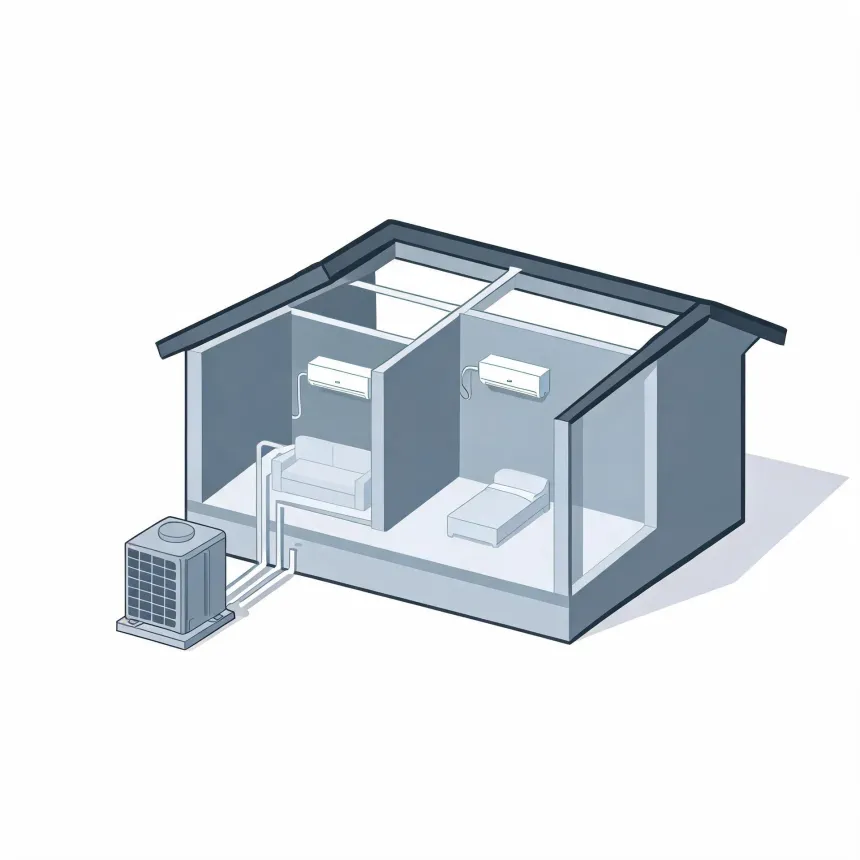
Illustrated cutaway of a two-room house showing two wall-mounted indoor air conditioning units connected by pipes to an outdoor condenser unit on the ground outside.
Your system heats December through February and cools March through October.

NOAA nClimDiv, 1991–2020 normals

Electricity heats 85% of homes in Webb County.

A mini split runs on electricity too, so it slots into wiring this place already has.

Eight months of cooling means March finds your system already running

Cooling runs March through October
Summer afternoons average 98°F
Power costs 14.94 cents a kWh statewide
98 degrees, eight months a yearLaredo summers push a mini split harder than almost anywhere else in the country.

When you're comparing units, put the SEER2 number next to the price tag before you decide. A higher SEER2 costs more up front, but in Laredo that gap closes fast with the unit running as much as it does here. Ask whoever installs it to size each zone to the room it serves, not just the square footage of the house. A mini split sized wrong will cycle harder than it should, and that undoes the savings you bought it for.

Any system installed here has to clear 14.3 SEER2. The credit can offset what it costs to go higher.

Webb County falls in climate zone 2B, and any mini split installed here has to meet the federal minimum of 14.3 SEER2 for cooling and 7.5 HSPF2 for heating. That floor is already in place, so the comparison that matters is how far above it a unit sits. A federal tax credit is available for qualifying equipment, worth factoring in before you settle on a system.

Find a contractor
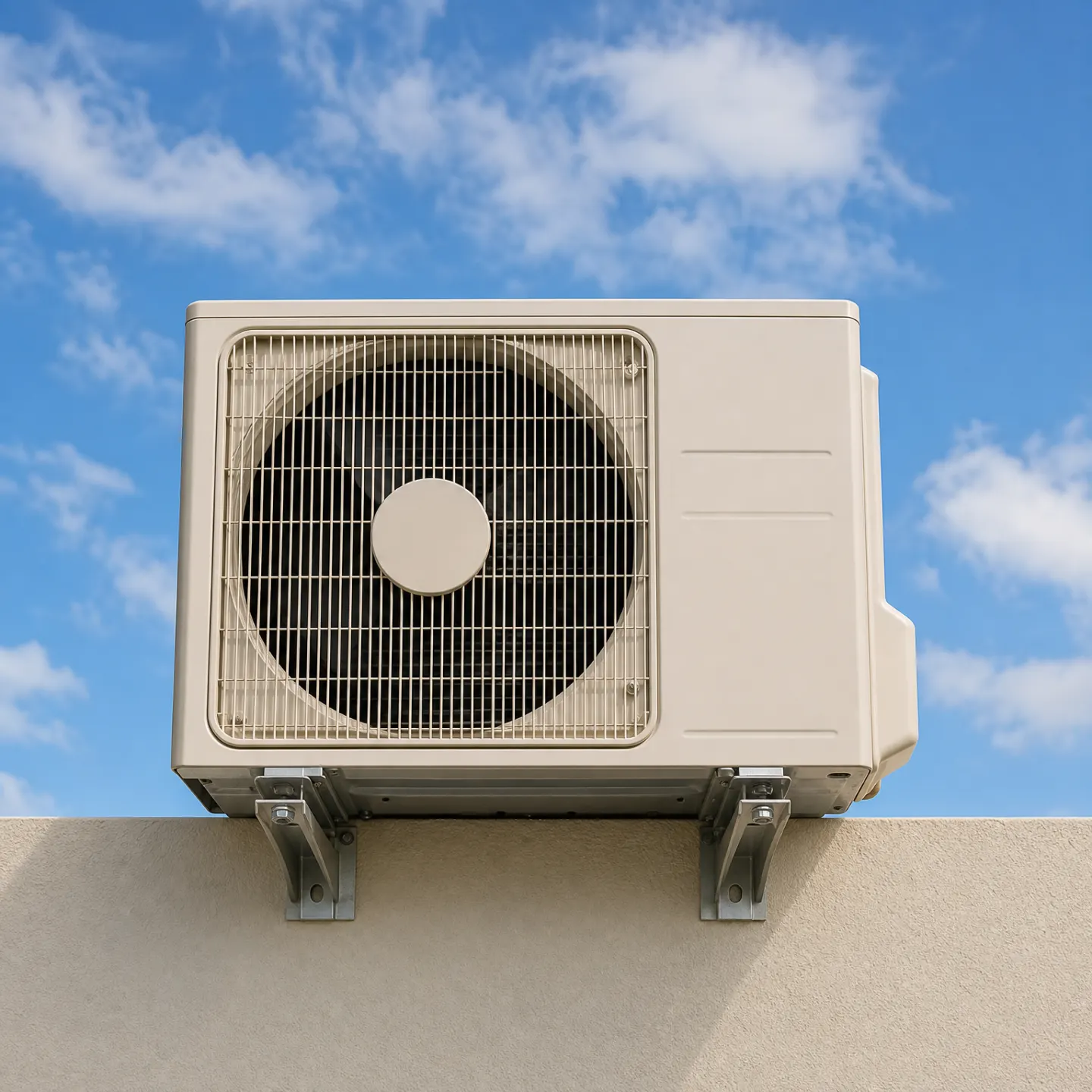
A beige split-system air conditioner outdoor condenser unit mounted on metal wall brackets atop a stucco wall.

Running this long, sizing mistakes don't stay small

March through October, this system runs. That's eight months of the year it doesn't get much of a break between one afternoon and the next. Ask for a load calculation done room by room, not a number pulled from the square footage of the house. A unit sized too small will run flat out all summer and still lose ground on the hottest afternoons. One sized too big will short cycle, switching off and on instead of holding steady, and that wears the compressor faster than running steady does. Get the size right before anything else, because nothing about how well this works gets fixed later.

The number is a ratio, not a guarantee

SEER2 compares the cooling a unit delivers against the electricity it draws, tested under set conditions. What shows up on the bill depends on that rating plus how the zones get used day to day, how well the installer sized each one, and how tight the line set connections are. The same rated unit can perform differently from one install to the next.
A higher number only pays off if the unit runs enough to use it

The gap between a mid-tier SEER2 and a high one only shows up while the compressor is working to hold a temperature. A unit that sits idle most of the time never gets the chance to earn back what the higher rating cost. One that runs long stretches puts that efficiency to work every day it's on.

Whoever installs the new system still has to deal with what's hanging on the wall or sitting outside now. A window unit comes out easy enough. Unmount it and patch the opening. A central system is more work. The old air handler, the outdoor condenser, and the line set running between them all need to come out, and if the ductwork isn't being reused, that gets capped or pulled too. The refrigerant in the old unit has to be recovered properly rather than vented, and a licensed installer carries the equipment to do that. None of this is optional or something you schedule separately. It's part of the same job, and a contractor quoting the install should already be accounting for removal and disposal of what's being replaced.

Installation starts outside with the line set, the pair of copper lines that carry refrigerant between the outdoor unit and the indoor head. Those lines run through a hole drilled in the wall, so the installer picks that spot before anything else goes up, usually a short, direct path rather than one that snakes around the room. The indoor head mounts to a plate secured into studs, not just drywall, because it has to hold weight and stay level for the condensate drain to work. Once the lines are connected at both ends, the system gets evacuated with a vacuum pump to pull out air and moisture before any refrigerant moves through it. Skipping that step is how a brand new system ends up with a leak or a compressor failure within the first year. The outdoor unit gets set on a pad or brackets, away from anything that blocks airflow across its coil, then the whole system gets tested under load before the installer leaves.