Texas Cooling Help
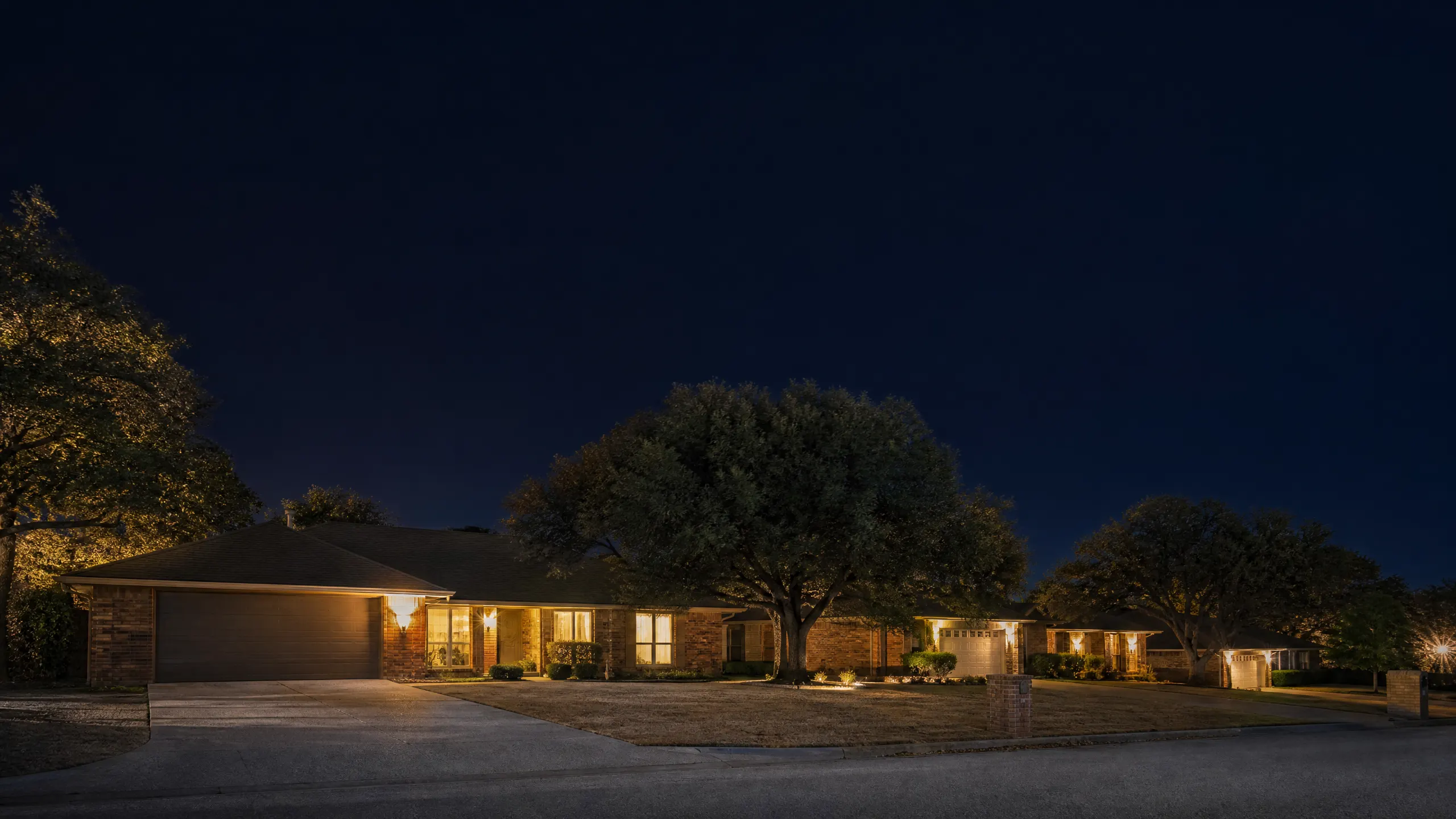
A single-story brick ranch house at night, lit by exterior lights that illuminate the facade, driveway, and several large mature trees in the front yard.

Mini Split Installation in Denton, TX

Tell us about the job

Takes about a minute. No obligation.

Step 1 of 3: Equipment

Hail and wind come through often

Denton County logged 355 hail events and 115 damaging wind events over the past decade, plus a dozen tornadoes. An outdoor condenser sitting in the open takes that impact directly, so where it goes and what shields it matters at install time, not after.

Power doesn't always come right back

A third of Texas households went at least 24 hours without power in 2024. A mini split won't run without it, same as any heat pump system. Worth asking what backup options exist for the rooms you count on most, before you need one.

5 months
November through March, your system heats
6 months
May through October, it cools
36°F
the average winter night it heats against
94°F
the average summer afternoon it cools against
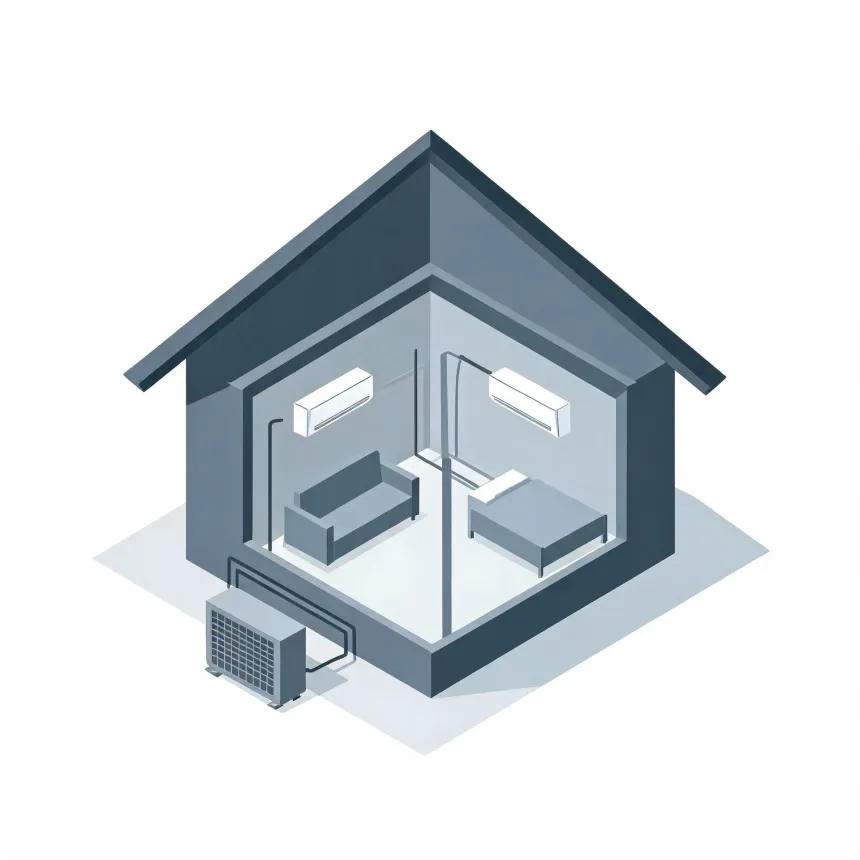
Isometric cutaway illustration of a small gray house showing two rooms, one with a sofa and one with a bed, each with a wall-mounted indoor air conditioning unit connected by line sets to an outdoor condenser unit on the ground outside.
Your system heats November through March and cools May through October.

NOAA nClimDiv, 1991–2020 normals

Electricity heats 54.2% of homes in Denton County, more than gas and propane combined.

A mini split is an electric system, so it fits the way most homes here already heat.

Six months of 94-degree afternoons, every year, is what a mini split here has to meet

Cooling runs May through October
Summer afternoons average 94°F
355 hail events from 2015 to 2024
Install before MayCooling runs May through October here. April is the month to get it done.

Electricity here runs 14.94 cents a kilowatt-hour, above what a lot of the country pays. A mini split that runs for months on end turns that rate into real money, so the SEER2 number on the unit matters more here than somewhere power is cheap. Two systems can cool the same room and pull a different amount of power doing it, and that gap shows up on every bill, not just the first one. Ductless units already skip the losses a duct run adds, since the air goes straight from the indoor unit into the room. Ask what SEER2 rating is on the quote before comparing prices. The cheaper system up front is sometimes the one that costs more every month it runs.

The minimum efficiency here is already set. What you install above it is your choice.

Denton County falls under zone 3A. Any mini split installed here now has to meet the federal minimum for a split-system heat pump. That means 14.3 SEER2 for cooling and 7.5 HSPF2 for heating, whether the unit is ducted or not. A federal tax credit is available for equipment that qualifies, worth checking against whatever unit ends up on the quote.

Find a contractor
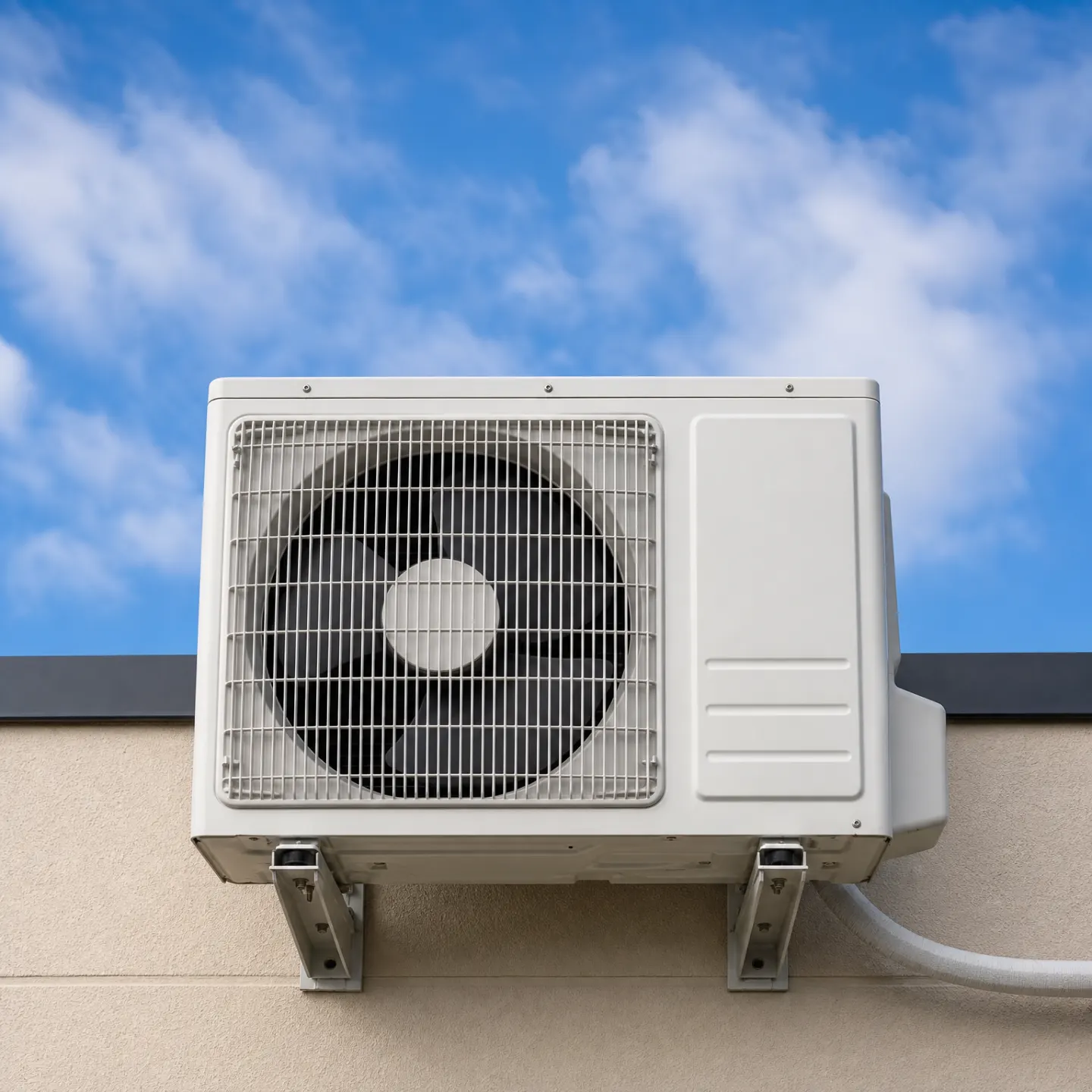
A white mini-split air conditioner outdoor condenser unit mounted on metal brackets against a beige stucco exterior wall, with a blue sky and scattered clouds in the background.

Six months of this every year. Sizing decides how the unit takes it.

Cooling runs May through October here, six months of the compressor turning on whenever the room calls for it. That kind of runtime shows up in the sizing more than anything else. A unit too big for the room shuts off before it finishes a full cycle, then kicks back on a few minutes later. A unit too small never gets a rest, running flat out through every one of those 94-degree afternoons. Either way the compressor takes the wear. The fix is a load calculation done for the actual room, not a number pulled from square footage. Ask to see that math before signing anything.

How many rooms, how many heads

One room needs one indoor head matched to one outdoor unit. Cool several rooms and the choice is between separate single-zone systems or a multi-zone system, one outdoor unit running several indoor heads off it. A multi-zone outdoor unit costs more than a single-zone one, and every extra indoor head means its own line set and its own mounting job.

What the walls make the crew do

The line set between the indoor head and the outdoor unit has to get from one to the other, usually through an exterior wall, sometimes up through an attic or down through a crawl space. A straight run through one wall is a quick hole and a short line. A run that has to clear brick, cross a finished ceiling, or travel further than the line comes rated for changes both the labor and the materials.

A quote should tell you more than a price. Ask what SEER2 and HSPF2 numbers the unit carries, since those decide what it costs to run every month after it's installed. Ask who the manufacturer is and whether parts are easy to get, because a cheap brand with no local support turns a small repair into a long wait. Ask what the warranty covers, and whether it needs the installer to register it to stay valid. Ask how many indoor heads the outdoor unit is rated for, and whether adding a room later means a new outdoor unit or just another head. Ask for the load calculation, not a guess based on square footage. Quotes that look alike on paper can leave you with very different systems.

Install day starts with where the line set goes, because that decision was already made during the quote. The crew runs refrigerant lines between the indoor head and the outdoor unit, through whatever wall or ceiling path was planned, then pulls a vacuum on the line set before any refrigerant moves. That vacuum step matters more than it looks. Any moisture or air left in the line turns into a problem for the compressor later, so the lines get tested and held before the system ever turns on. The indoor head gets mounted level, on a wall that can support it, with enough clearance for air to pull through it properly. Once the outdoor unit is set, the lines are connected, the system is charged, and the crew checks the refrigerant charge against what the manufacturer specifies for that line length. Then it runs, in both modes, before anyone calls the job done.