




Texas Cooling Help
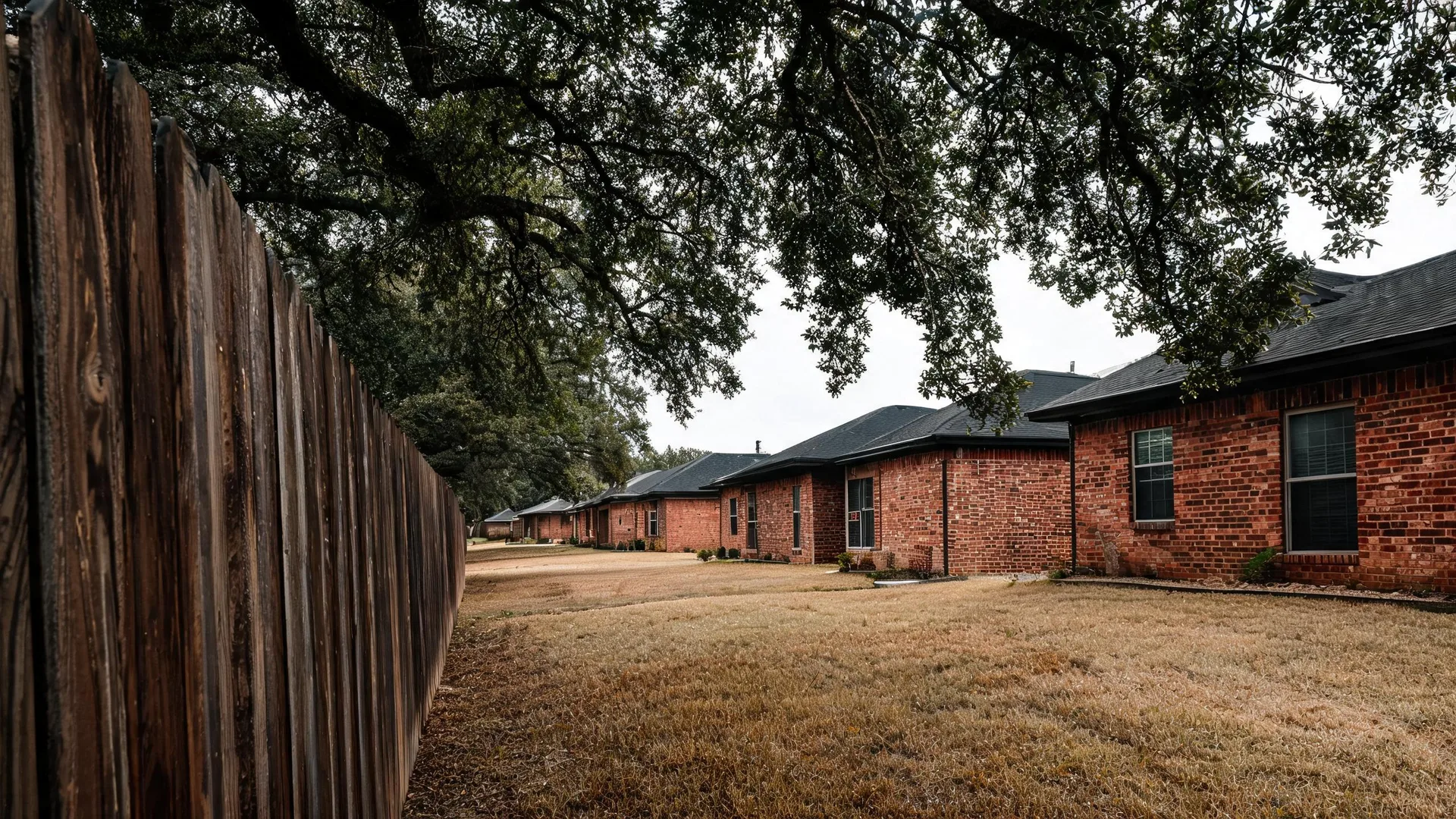
A row of single-story red brick buildings with dark shingled roofs stands along a dry brown lawn beside a weathered wooden fence, under overhanging oak branches and an overcast sky.

Mini Split Installation in Dallas, TX

Tell us about the job

Takes about a minute. No obligation.

Step 1 of 3: Equipment

Dallas homes paid 14.94 cents per kilowatthour in 2024, and that number matters more with a mini split running most months of the year here. The efficiency rating on the unit you pick decides how much of that rate turns into cooling and heat versus just a higher bill. A unit sized and installed correctly holds that efficiency rating. One that's oversized for the room, or has refrigerant lines run wrong, won't, no matter what the label says. That gap shows up every month, not just once.

5 months
November through March, your system heats
6 months
May through October, it cools
38°F
the average winter night it heats against
94°F
the average summer afternoon it cools against
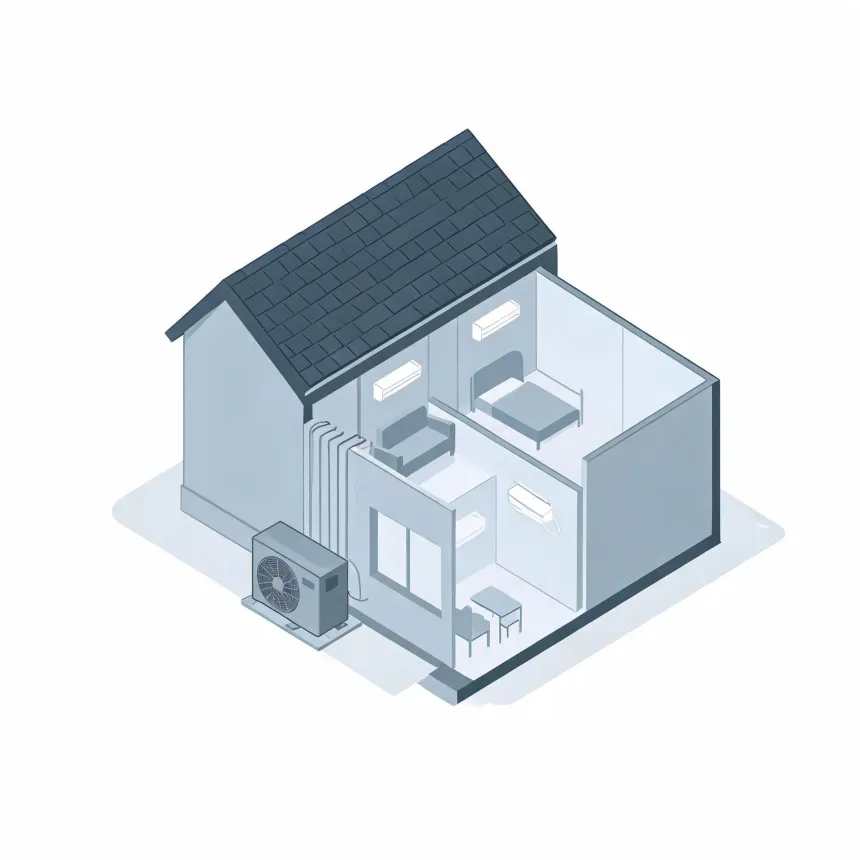
Isometric illustration of a cutaway house with a dark shingled gable roof, showing interior rooms with a bed, chairs and table, three wall-mounted mini-split indoor units connected by line sets to an outdoor condenser unit on a pad outside.
Your system heats November through March and cools May through October.

NOAA nClimDiv, 1991–2020 normals

Electricity heats 61.8% of homes in Dallas County, more than any other fuel.

A mini split runs on electricity already, so it adds a second way to heat and cool without touching a gas line.

Dallas sees storms most places don't, and the power doesn't always hold

379 severe weather events from 2015 to 2024
33% of homes statewide lost power a day or more in 2024
145 damaging wind events from 2015 to 2024
Built for a Dallas summerCooling runs May through October here, with afternoon highs averaging 94°F in June, July and August.

Cooling starts in May here and runs through October. April is the month to get a mini split installed, before that six-month run begins. Mounting the indoor units, running the line set and condensate drain, pulling a vacuum on the refrigerant lines before charging the system, none of that goes faster because the heat has already set in outside. Get it done in April and the contractor isn't rushing the job. You're not stuck waiting on a system that's already overdue the first hot week.

A mini split here has to meet Dallas's cooling load, not just the sale price

Any mini split installed here has to clear 14.3 SEER2 for cooling and 7.5 HSPF2 for heating, the federal minimum for split systems. That's what keeps it running efficiently against Dallas rates for as long as you own it. A federal tax credit is available on qualifying equipment, worth checking against before you pick a unit.

Find a contractor
A man in a cap, worn gray shirt and brown work pants, seen from behind, carries a leather tool bag up steps toward an orange front door beside a potted shrub.
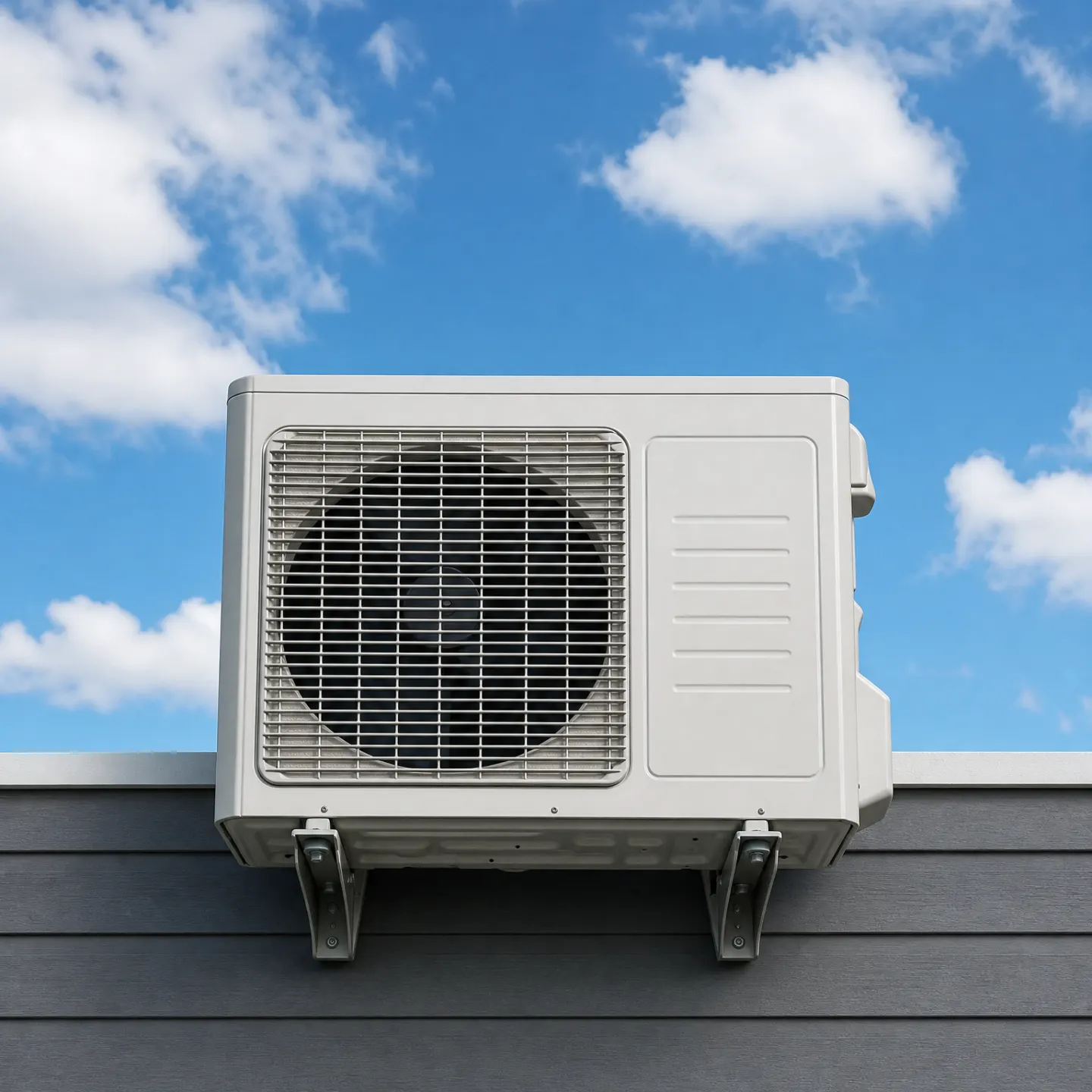
A white outdoor air conditioner condenser unit mounted on metal wall brackets against gray horizontal siding, with a blue sky and white clouds behind it.

Six months of load, every year

Six months of cooling a year, with afternoon highs averaging 94°F through the summer, means this system runs longer and against a higher load than most of the country ever sees. That's the case for sizing it to the room instead of picking by the number on the sticker. A unit too small never catches up on the hottest afternoons. One too large cycles off before it pulls the moisture out of the air, so the room feels damp even when the temperature reads fine. Either way shows up most in July and August, when the system runs nearly all day.

Ask what the load calculation found

A contractor should measure the room, the windows, the insulation, and come back with a number before recommending a unit. If they quote a size without asking those questions, they're guessing. The load calculation is what ties the equipment to the room it's actually cooling and heating.
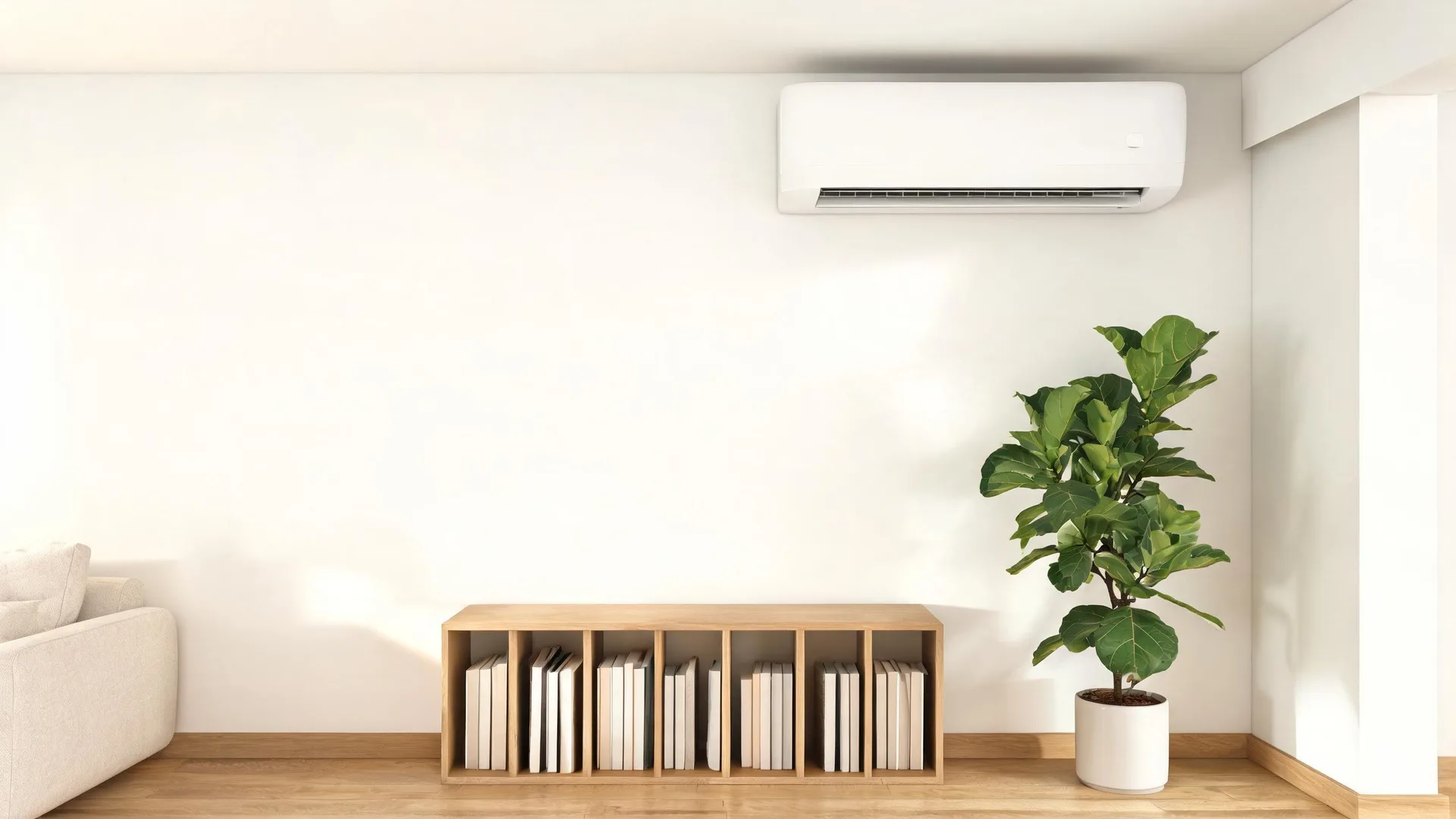
Ask how many zones one outdoor unit is running

Some systems pair one outdoor condenser with several indoor heads. That setup costs less upfront but means one failure can take out heating or cooling in more than one room, and each indoor head still needs its own line set run correctly. A single-zone system costs more per room but keeps that risk contained to one space.

The price of a mini split installation comes down to what the job actually requires, not just the equipment on the truck. How many indoor heads, how far the line set has to run between the outdoor condenser and each one, and whether that run goes through an attic, a wall cavity, or straight out the back of the house all change the labor. A single-zone system is the simplest version of this job. Add zones and you add line sets, drain lines, and mounting points, each one needing its own vacuum and charge before it's done right. Electrical work can add to it too, since the outdoor unit needs its own dedicated circuit and most homes don't already have one sitting unused. None of this shows up on the price tag at the store. It shows up in what the contractor has to do to get the system running the way the label says it will.

Install day starts outside, with the condenser going on a pad or brackets somewhere it can pull in air without blowing exhaust straight at a window. Inside, the indoor head gets mounted high on the wall, on studs that can hold it, and a hole gets drilled through for the line set. The copper lines run from there to the condenser, then the contractor pulls a vacuum on them to clear out moisture and air before any refrigerant goes in. Skip that step and the system loses efficiency from day one, sometimes fails outright within the first year. Once it's charged, the contractor checks the line pressures against what the manufacturer specifies for that unit and that line length, then runs the system to confirm it's actually pulling down temperature and draining condensate the way it should.