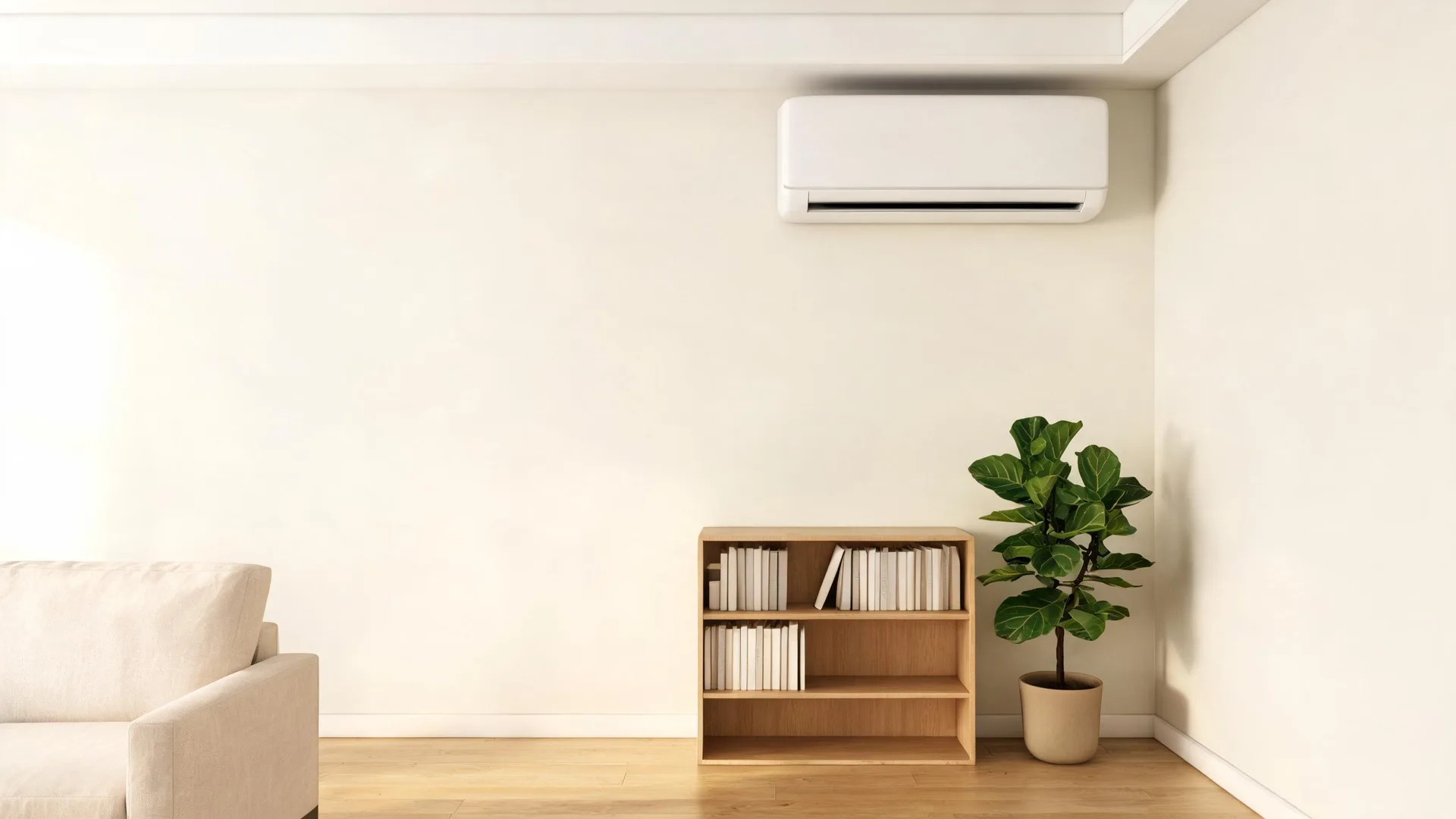
Electricity here runs 14.94 cents a kilowatt-hour
Texas homes paid that rate on average in 2024. A mini split that holds its efficiency rating puts less of that rate on your bill every month it runs.
Takes about a minute. No obligation.
Texas homes paid that rate on average in 2024. A mini split that holds its efficiency rating puts less of that rate on your bill every month it runs.
A mini split in Conroe is cooling or heating for long stretches, not just a few weeks. The better it holds its rated output, the more those months add up in your favor instead of against you.
NOAA nClimDiv, 1991–2020 normals
A mini split in Conroe runs cooling from April through October, with afternoon highs averaging 93°F in June, July and August.
A unit sized wrong for the room will run that whole stretch without ever catching up.



Conroe falls in climate zone 2A, a hot and humid zone under the 2021 energy code. Cooling carries most of the load here, which is why the efficiency floor is set where it is. Any mini split installed new has to meet 14.3 SEER2 for cooling and 7.5 HSPF2 for heating, the same split-system minimum that applies to central systems. The standard doesn't carve out a lower bar for ductless. A system that qualifies may also qualify for the federal tax credit on heat pump installations, worth looking into before you settle on a unit.
Electricity heats most homes in Montgomery County, more than half, with gas a distant second. A mini split fits that pattern well, since it runs on electricity to begin with and doesn't ask you to add or change a fuel line. If your home already heats with electric, this is a straightforward swap.
Find a contractorCooling here runs April through October, seven months straight. March is the month before that starts. A mini split put in then gets set up with nothing riding on it yet, the charge checked and the airflow balanced with no load pulling at it. One installed after the heat sets in gets judged from day one, right when it has the least room to be off.
A contractor measures the walls, the windows, the insulation, and which way each room faces before picking a unit. A mini split sized off a rule of thumb or matched to whatever was there before can land wrong in either direction. The calculation is what gets it right.
A unit too big for the room cools the air fast and shuts off before it pulls the moisture out, so the room feels clammy even at the right temperature. A unit too small runs constantly and still can't catch up on the hottest afternoons. The right size runs long steady cycles that hold the room steady.
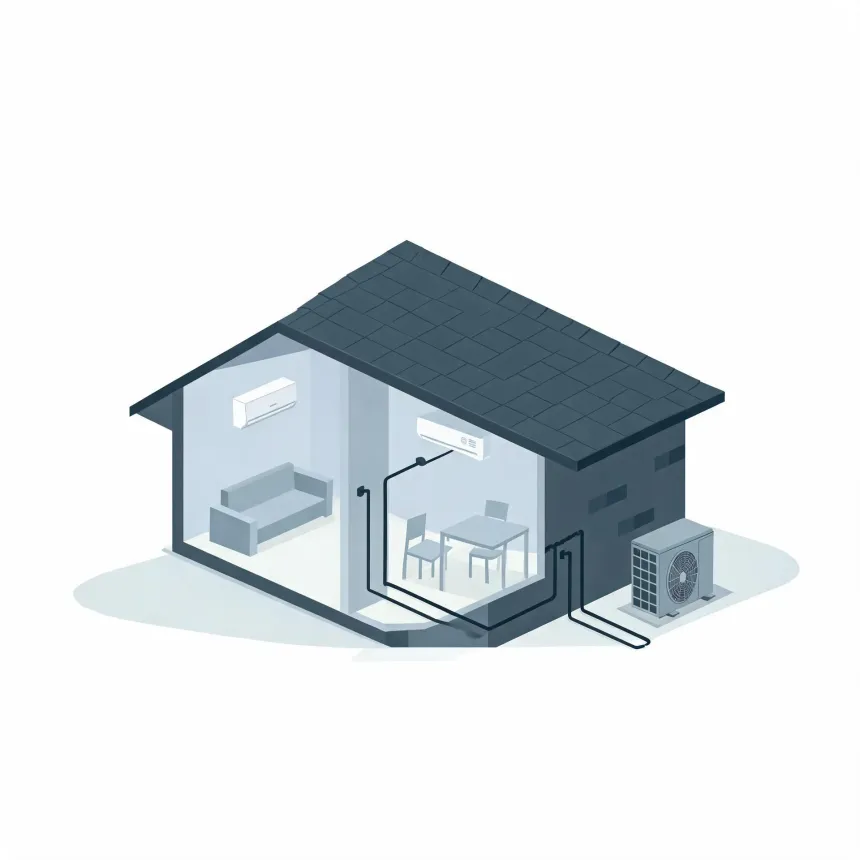
What drives the cost of a mini split install is mostly what it takes to get refrigerant line and power to where the indoor unit hangs. A wall mount close to the outdoor unit with a clear path through one exterior wall is the simple case. Add distance, add a second or third indoor head, or run the line set through finished space instead of an attic or a closet, and the labor climbs before the equipment price even comes into it. The outdoor unit needs a dedicated circuit, and if the electrical panel doesn't have room or the service isn't rated for the added load, that's its own job. Multi-zone systems cost more than a single zone not just for the extra indoor unit but because the outdoor unit has to be sized and the line sets balanced to feed all of them properly.
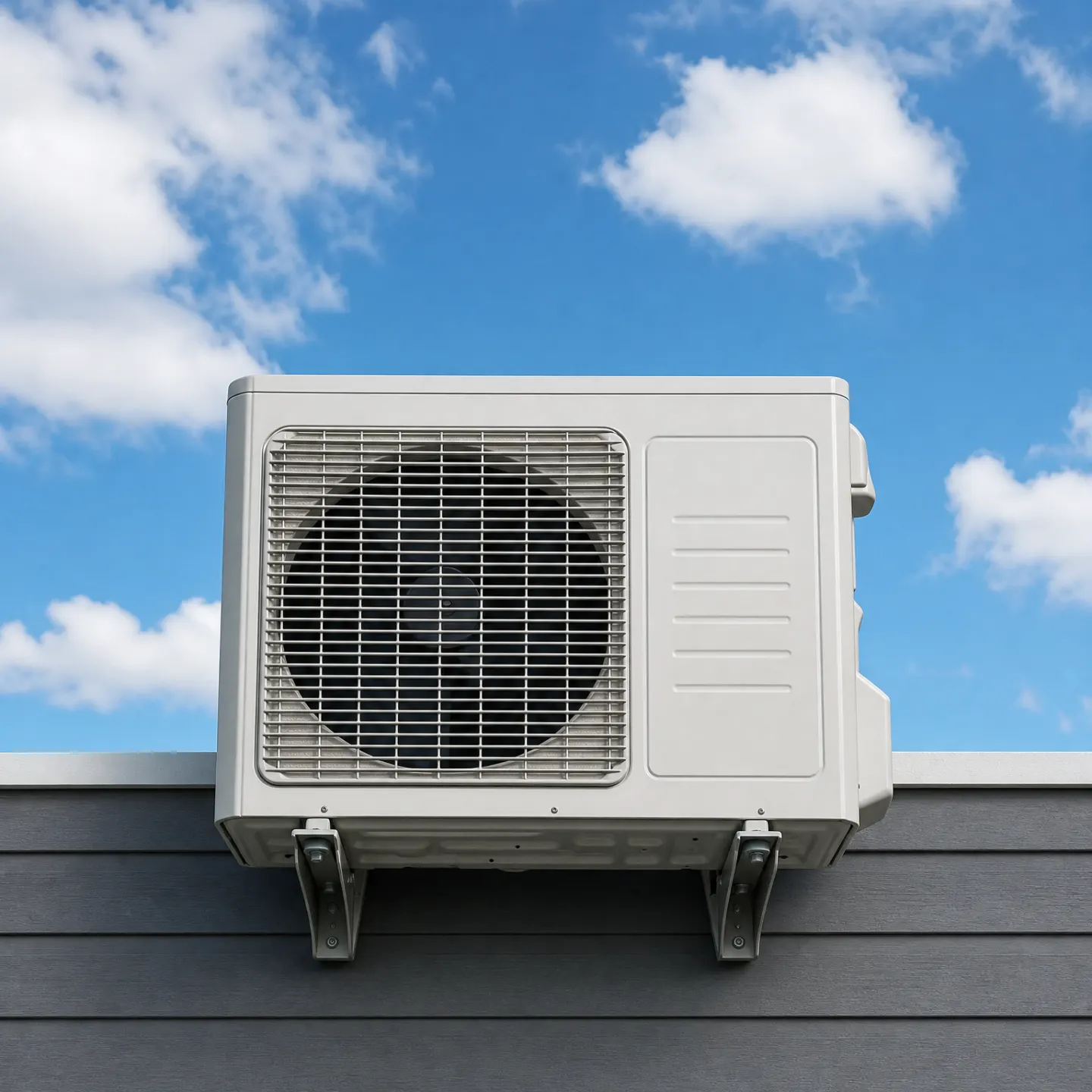
Install day starts with the outdoor unit going on a bracket or a pad, set level so condensate drains the way it should. Inside, the mounting plate goes up first. The installer drills one hole through the exterior wall for the line set, the drain line, and the power cable to pass through together. The refrigerant lines get connected at both ends, then the whole system gets pulled down to a vacuum before any refrigerant moves. That vacuum clears out air and moisture that would otherwise ruin the compressor. Once it holds, the valves open and refrigerant fills the lines. The last steps decide how it runs for years afterward. The installer checks the charge against the line length, tests the drain by pouring water into the pan, and runs the system through a full cooling and heating cycle before calling it done.