Electricity here isn't cheap
Texas homes paid 14.94 cents per kilowatthour in 2024. A mini split that runs efficiently matters more here than it would somewhere power costs less.
Takes about a minute. No obligation.
Texas homes paid 14.94 cents per kilowatthour in 2024. A mini split that runs efficiently matters more here than it would somewhere power costs less.
A mini split that's sized and installed right will hold its efficiency for as long as you own it. One that's oversized or poorly sealed at the lines will cost you on every bill for the same reason.
NOAA nClimDiv, 1991–2020 normals
Cooling runs April through October here, with afternoon highs averaging 94°F in June, July and August.
A mini split in Brazos County earns its keep across seven months of real heat, not just a few weeks of mild use.




The rate on your bill is set. What you control is the install. Ask what SEER2 rating the contractor is sizing for, and ask them to show the math on your square footage rather than guess at it. A line set that's sealed and charged right holds that rating for years. One that's rushed can lose efficiency within the first season, and you'd never see it happen, you'd just pay for it every month after.
Any mini split installed here has to clear 14.3 SEER2 for cooling and 7.5 HSPF2 for heating. That's the federal floor for this region, not a suggestion, and it narrows the field before you even start comparing units. A federal tax credit is available on installs that qualify, worth looking into before you settle on equipment.
Find a contractorSeven months of cooling here, with afternoon highs averaging 94°F in the middle of summer, means this unit runs more hours than one installed almost anywhere else. That's the case for getting the sizing right before it goes in. A mini split that's too big cycles on and off instead of holding a steady load, and that short cycling wears the compressor faster than steady running would. One that's too small runs flat out trying to catch up and still falls behind on the hottest days. Ask the contractor for a load calculation on your house, not a number pulled from square footage alone.
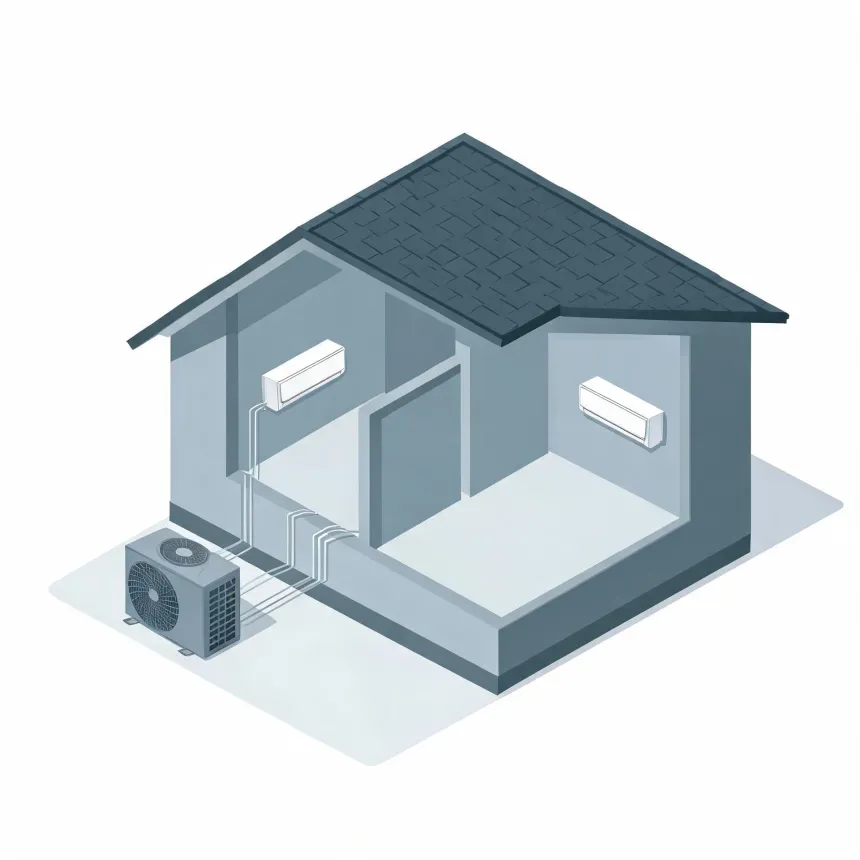
A single indoor head costs less to install than a system feeding several rooms off one outdoor unit. Each additional zone means another line set, another air handler mounted and another spot on the wall or ceiling opened up. A contractor pricing a whole-house layout is pricing several installs that happen to share one compressor.
The refrigerant line connecting the outdoor unit to each indoor head has to be run through a wall, sometimes up through an attic or along an exterior face. A straight shot through one wall is quick work. A run that has to clear framing, turn corners, or cross a floor to reach a second story takes longer and uses more line set, and that labor is a real part of the bill, not the equipment sitting on the truck.
Whatever is coming out gets dealt with by whoever installs the new unit, and that's worth asking about before the old equipment is gone. A central system coming out means a condenser pad to clear, old line sets to cap or pull, and sometimes ductwork that was feeding rooms a mini split won't use the same way. Window units and old wall sleeves just get disconnected and hauled off. Refrigerant in the old system has to be recovered properly, not vented, because it's against the law to release it into the air. If the old system ran on gas, that line gets capped off by someone licensed to do it, not left for later. None of this is hard, but it's work, and it should show up on the quote rather than as a surprise after the new unit is already on the wall.
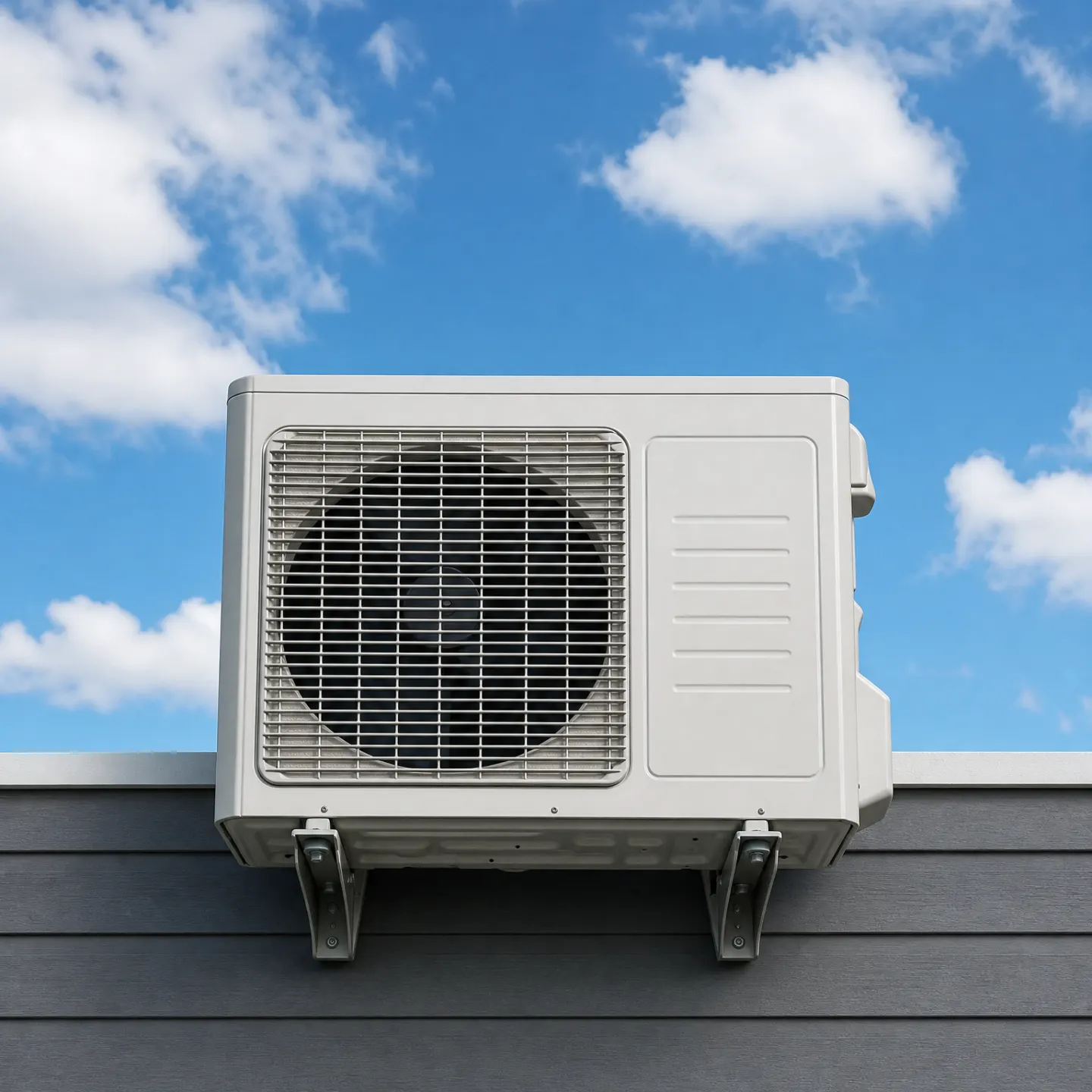
The outdoor unit gets set first, on a pad or brackets, somewhere with clear airflow on all sides and a straight enough run to the wall where the indoor head goes. Then the installer drills a single hole through that wall, and that's the only real opening made in the house all day. The line set, the drain line and the power wire all pass through that hole together, wrapped and sealed once they're through. Inside, the head mounts to a plate on the wall or ceiling, and the lines get connected and the joints checked for leaks before anything is charged with refrigerant. Once the system's charged, the installer runs it through a cycle, checks the temperature at the vent, and confirms the drain is actually draining before calling it done. A clean install leaves one neat line set covered in a channel outside and a quiet unit on the wall inside, nothing more to see than that.