Electricity here runs 14.94 cents per kilowatthour
Texas homes paid that rate on average in 2024. At that price, the efficiency rating on a mini split matters more than it would somewhere power is cheap.
Takes about a minute. No obligation.
Texas homes paid that rate on average in 2024. At that price, the efficiency rating on a mini split matters more than it would somewhere power is cheap.
Two mini splits can cool the same room, but the one with the higher rating does it using less electricity. In Burleson, that difference lands on every bill the system runs.
NOAA nClimDiv, 1991–2020 normals
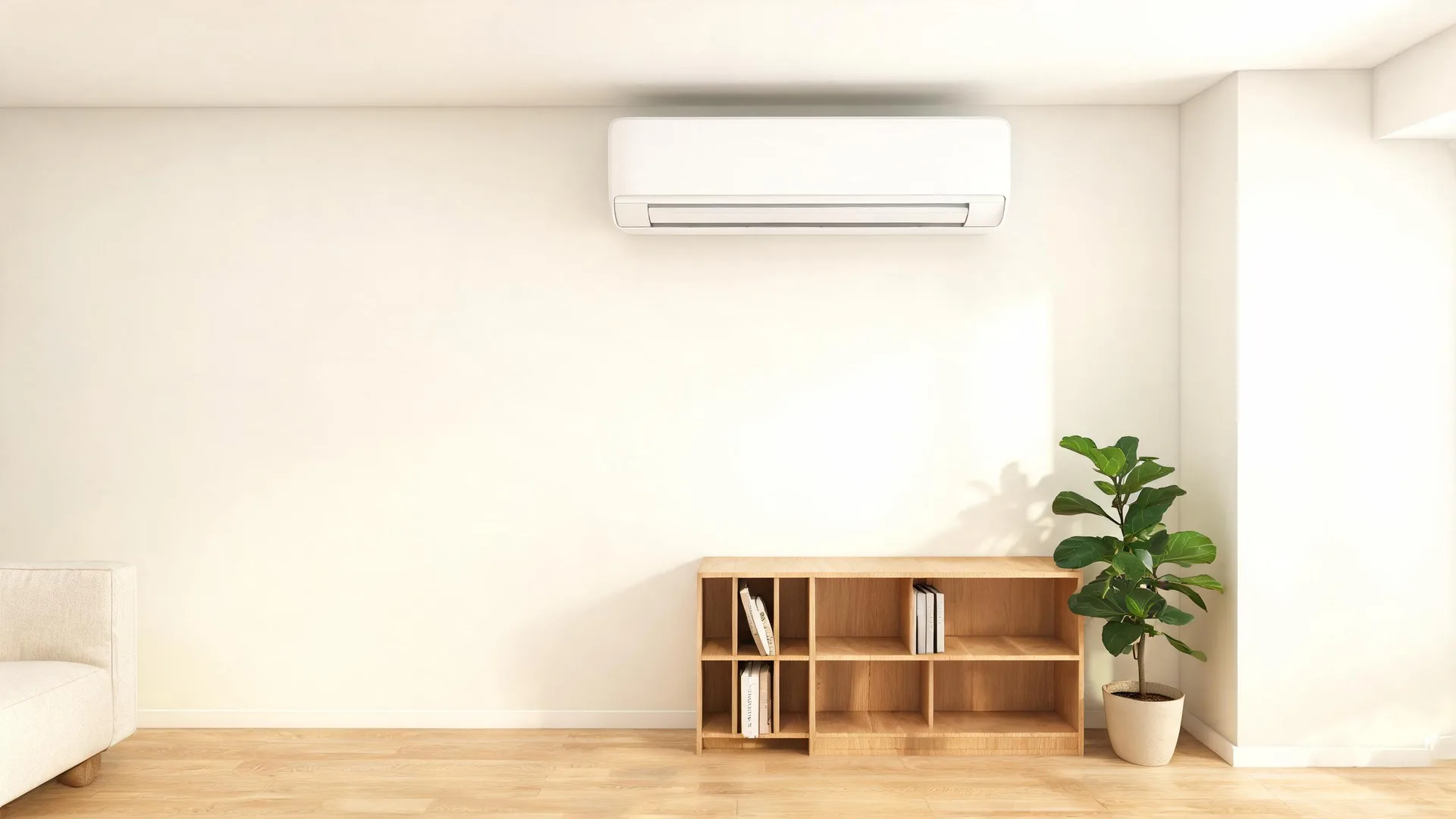
The indoor head goes up on a mounting plate first, with a hole drilled through the wall behind it for the line set.
A contractor checks that wall for studs, wiring, and the clearest path to the outdoor unit before drilling, since the hole only gets cut once.



Johnson County falls in climate zone 2A, a hot and humid zone where cooling is what a system here has to be built for. A ductless mini-split counts as a split-system heat pump under federal rules, so any unit manufactured from 2023 onward has to meet 14.3 SEER2 for cooling and 7.5 HSPF2 for heating. There's no separate, lower bar for ductless systems. That floor limits what a contractor can legally install here, so the comparison shopping starts above that line, not below it. A federal tax credit is available on qualifying equipment, on top of meeting that minimum.
Electricity heats 79.5% of homes in Johnson County. A mini split runs on that same power, so there's no new fuel line to plan for, just the wiring and placement a contractor sets up for the install.
Find a contractor
Cooling runs here from May through October, six months of the year, with afternoon highs averaging 94°F through June, July and August. A mini split installed this year spends most of its life working against that heat, not resting from it. Johnson County has also logged 98 hail events over the past decade, so the outdoor unit takes weather on top of the heat load. Size it for this county, not for a mild one, and the compressor cycles the way it's meant to instead of straining through every afternoon in July.
Whatever is being replaced, whether it's a window unit, an older split system, or ductwork tied to a furnace, that equipment has to come out before the new lines and mounts go in. A contractor disconnects the power, recovers any refrigerant from the old lines rather than venting it, and removes the indoor and outdoor units. None of that gets left behind as part of the new install.
If the system being replaced used refrigerant, that refrigerant has to be recovered into a tank, not released into the air. That's true of the old unit regardless of what's going in to replace it. A licensed contractor carries the equipment and certification to do this as a normal part of a removal, so it's worth confirming it's included before work starts.
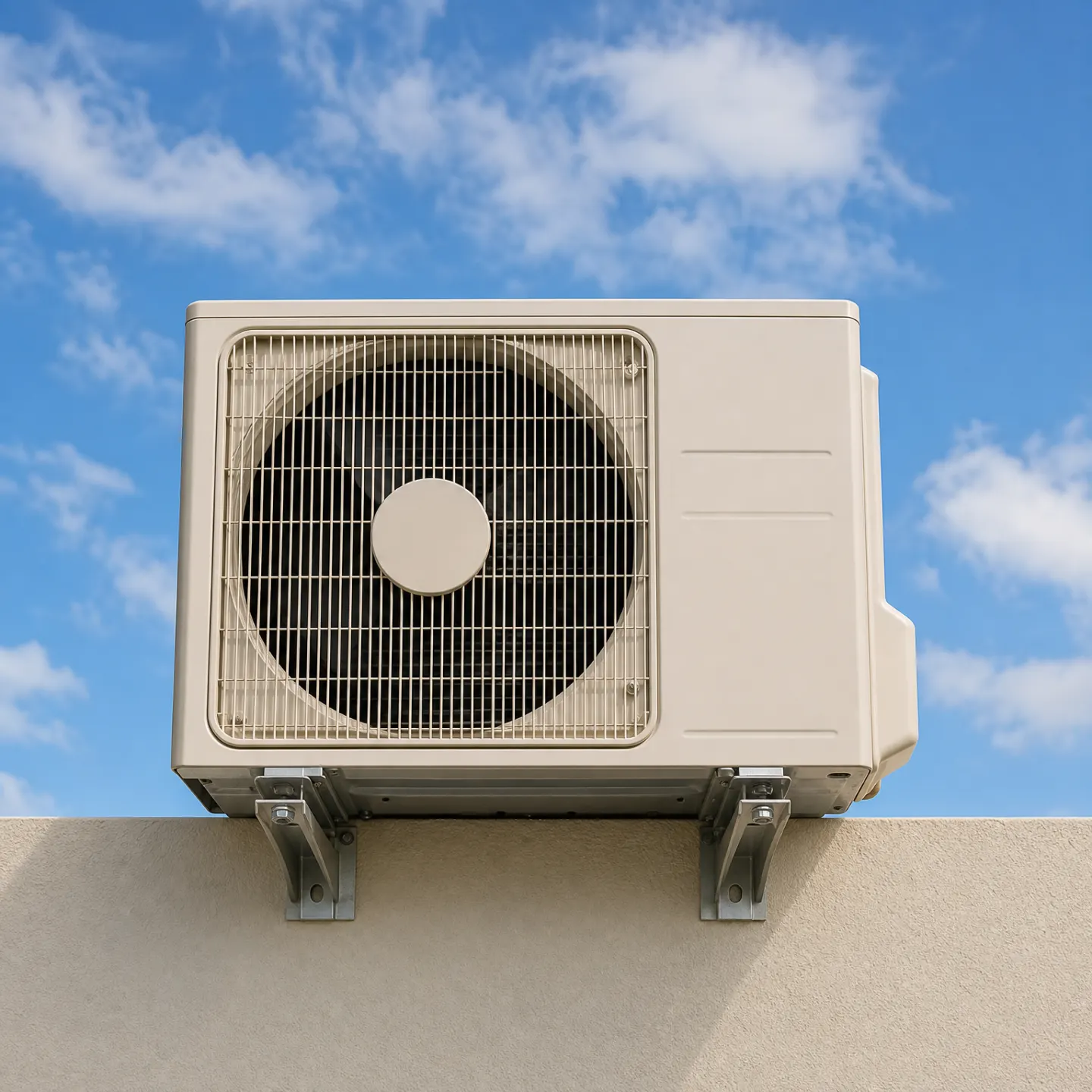
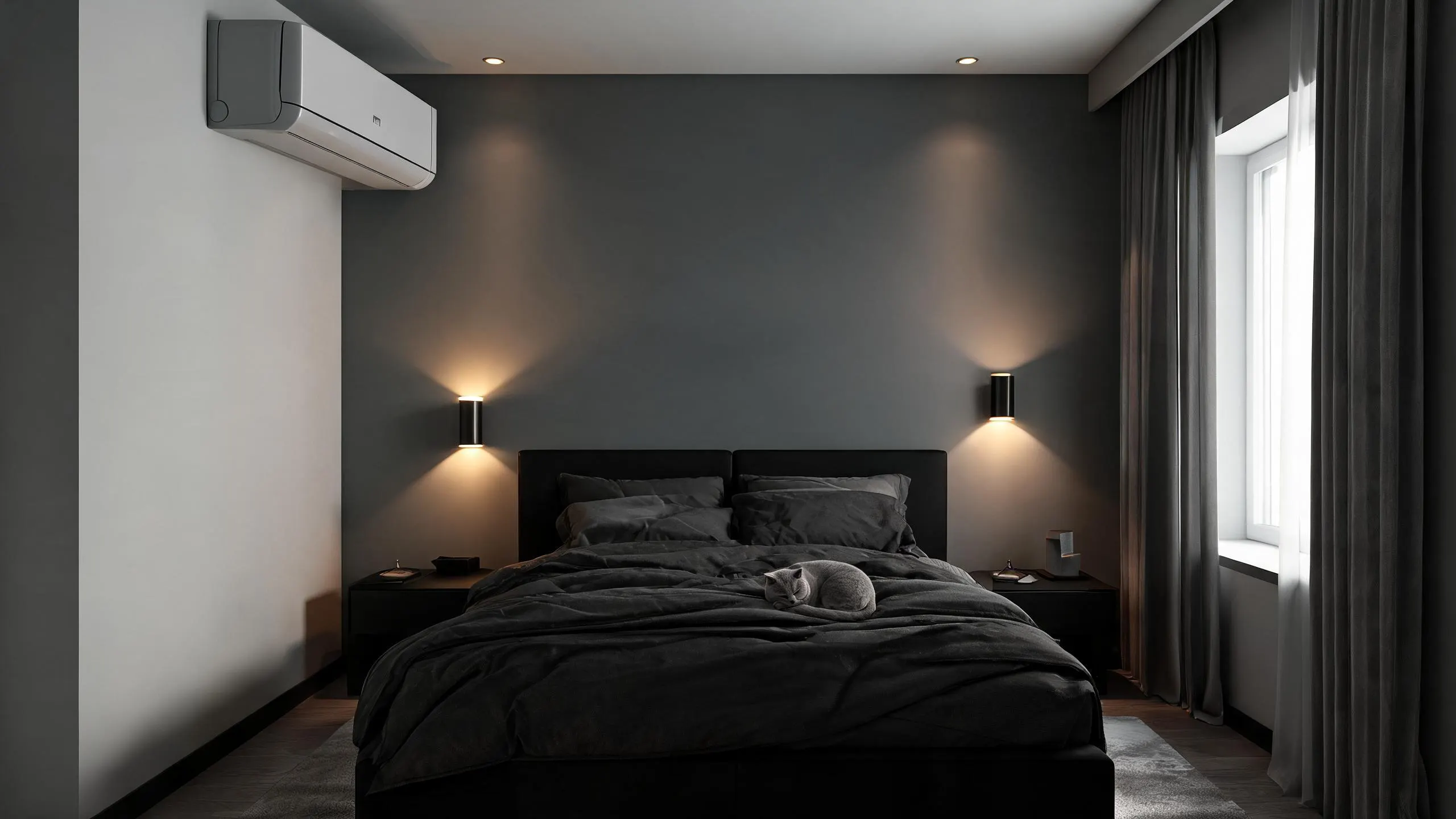
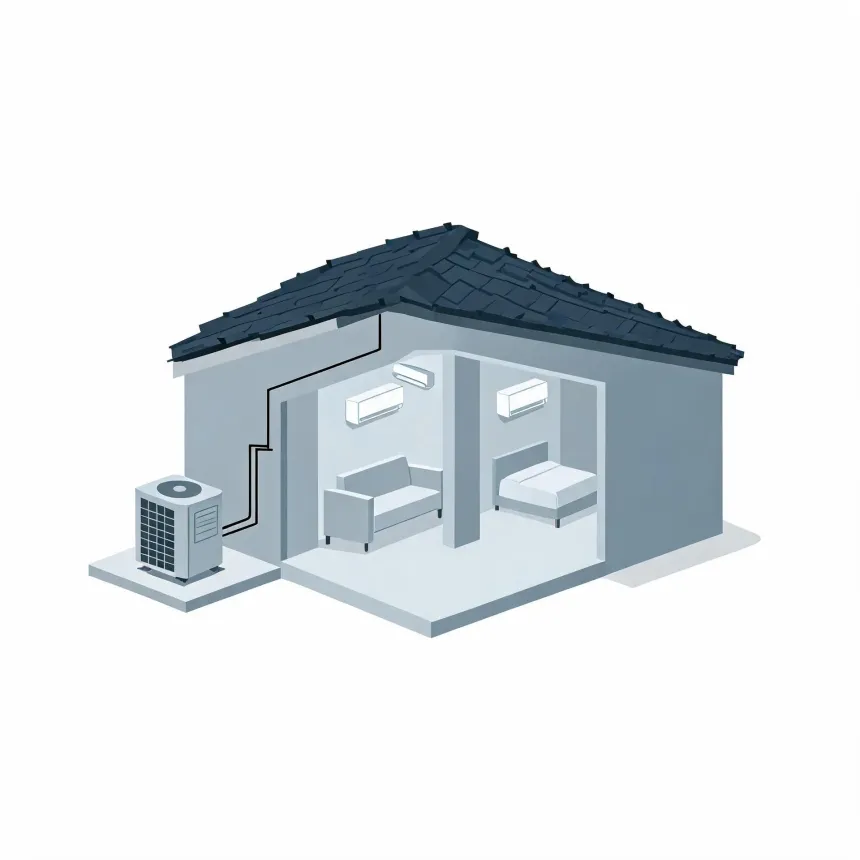
How many zones you're running changes the job more than the size of the house. A single indoor head talking to one outdoor unit is a straightforward install. Add a second or third zone off the same outdoor unit and the contractor is running more line sets, mounting more indoor heads, and sizing the outdoor unit to handle all of them at once. Where that outdoor unit goes matters too. A long distance between indoor and outdoor units means more refrigerant line, more wall penetrations, and more labor to run it cleanly. The mounting surface plays into it as well. Hard siding or masonry takes longer to mount a bracket into than wood framing. None of this is about the brand on the unit. It's about how much line gets run, how many heads get hung, and how the walls between them are built.
Sizing a mini split comes down to a load calculation, not a chart based on square footage. A contractor measures the room, checks window area and orientation, looks at insulation, and accounts for what else gives off heat in that space. Too big and the unit short cycles, cooling the room fast and shutting off before it pulls the humidity out, so the air feels cold but damp. Too small and it runs flat out all afternoon without ever catching up, which wears on the compressor. The right size runs longer, steadier cycles and holds the room where you set it. A reliable load calculation looks at the whole house, not just the one room the head hangs in, since a wall shared with an uncooled space or a room above a garage carries a different load than one boxed in by conditioned rooms on every side.