Electricity here runs 14.94 cents per kilowatt-hour
Texas homes paid that rate on average in 2024. A mini split that cools well for less matters more here than somewhere power is cheap.
Takes about a minute. No obligation.
Texas homes paid that rate on average in 2024. A mini split that cools well for less matters more here than somewhere power is cheap.
Two systems that look alike on paper can run up different bills in a Brownsville summer. Ask what each unit is rated for before deciding between them.
NOAA nClimDiv, 1991–2020 normals
Cooling starts up again in February here.
Install before the end of January and the system is ready to go, not still being worked on.



The rating on the label tells you how much cooling the unit puts out for the power it draws in. A higher rated unit moves the same heat with less electricity than a lower rated one sitting next to it in the showroom. That number comes from lab testing under set conditions, so it is a way to compare units against each other, not a promise of what your bill will look like once it is mounted on the wall. Units that look alike in size can still carry different ratings, because the compressor inside one works harder to do the same job. That rating only holds up if the unit is sized right for the room and the refrigerant lines are run and sealed properly. A high rated unit that is too big for the space or poorly installed will not perform the way the label suggests.
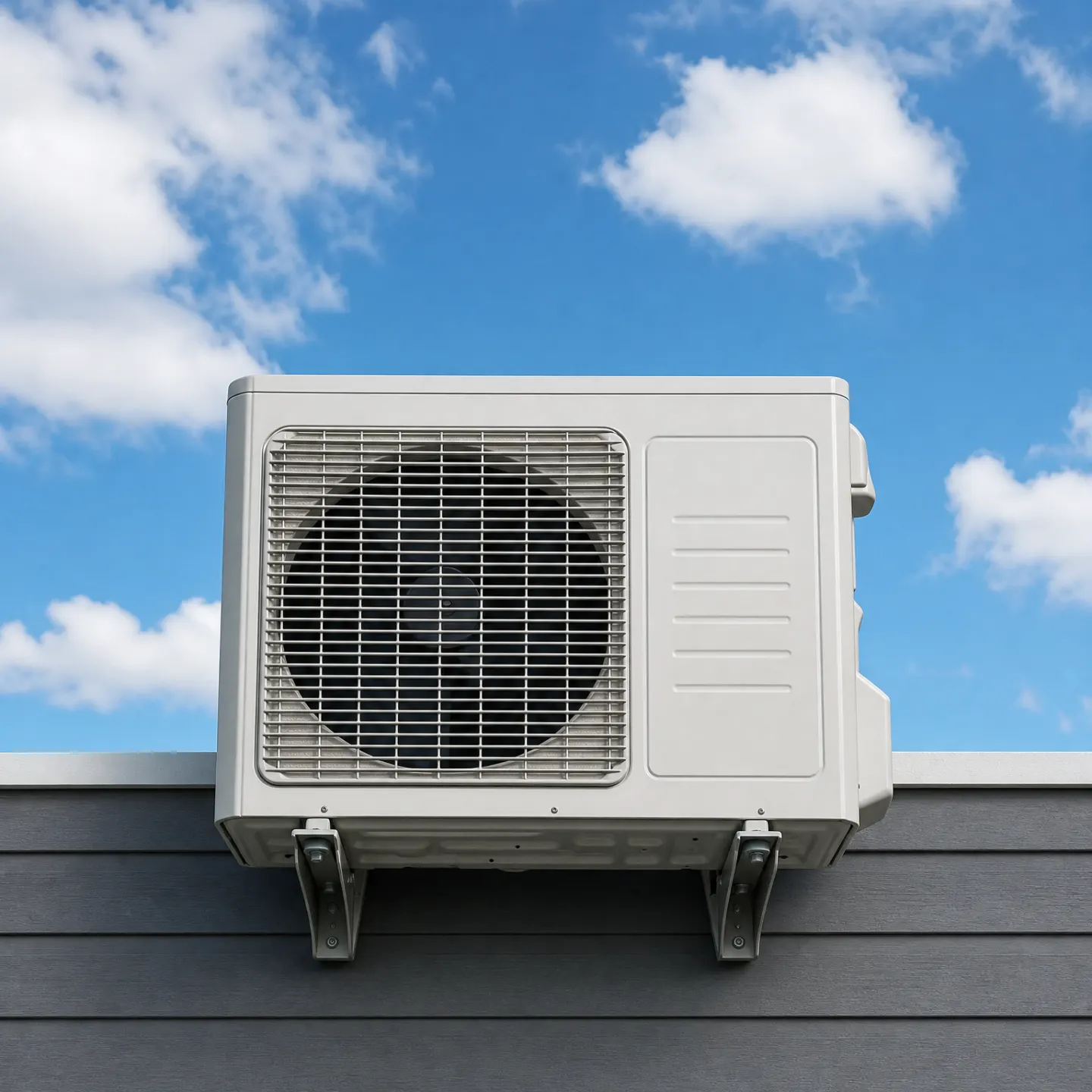
Cameron County saw 132 severe weather events between 2015 and 2024, including damaging wind and hail. Statewide, a third of Texas households lost power for a day or more in 2024. A mini split's outdoor unit sits exposed to that wind and hail, so where it goes and how it's mounted is part of the installation, not an afterthought. Worth asking about before the crew arrives.
Find a contractor
This one runs ten months a year here, February through November. Most of the country gets a break each spring and fall. Cameron County doesn't give a mini split that break. Afternoons in June, July and August average 94°F, so the compressor is pulling long hours at a hard setpoint, not just running often. That kind of duty cycle wears on a unit sooner than mild, part-time use would. Sizing it right for the room matters more here, not less, because an undersized or oversized unit on this schedule shows its problems fast.
A mini split installer disconnects the indoor head and outdoor condenser, recovers the refrigerant from the lines, and removes both units along with the mounting brackets. The old line set usually comes out too rather than getting reused, since reusing it risks contamination or a bad seal at the new connections.
Whatever hole or bracket the old indoor unit used may not line up with where the new one needs to sit, especially if the replacement is a different size or brand. The electrical circuit feeding the old system also needs checking, since a new unit can draw different power than what the old wiring and breaker were set up for.
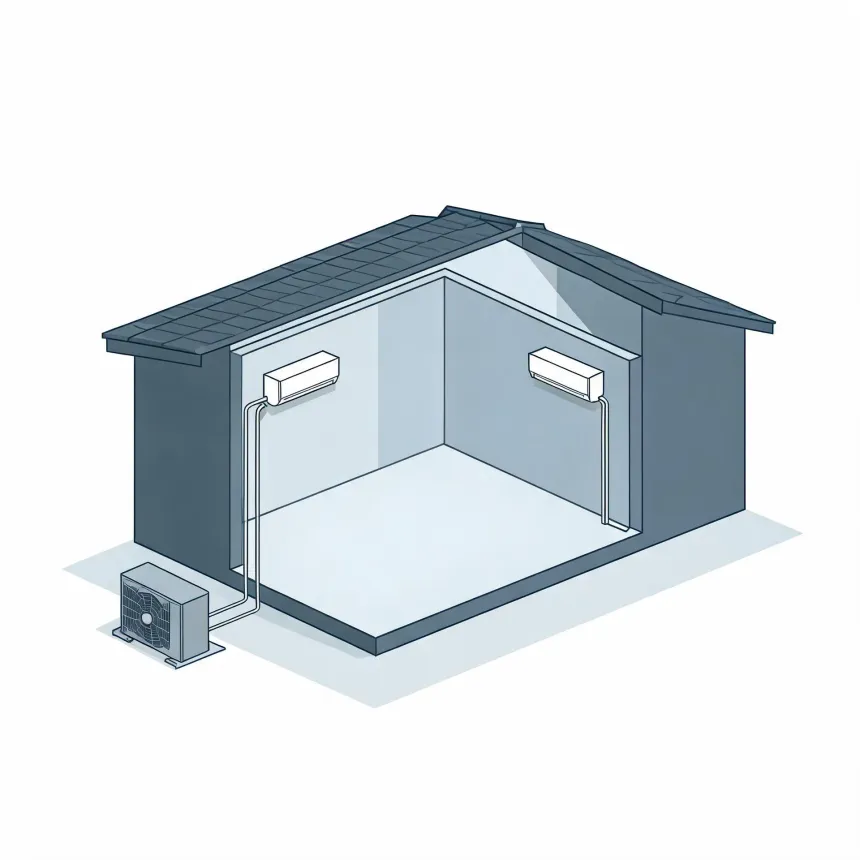
What drives the cost of a mini split install is mostly what the crew has to do beyond hanging the indoor head and setting the outdoor unit. Running new refrigerant lines through a wall costs more than reusing a path that is already there, and a longer line set between indoor and outdoor units takes more refrigerant and more labor than a short one. If the electrical panel needs a new circuit or a bigger breaker to handle the unit, that is its own job on top of the mechanical work. Multi-zone systems, where one outdoor unit feeds several indoor heads, cost more than a single zone because each head needs its own line set and its own control wiring run back to the compressor. Mounting the outdoor unit also matters. A straightforward pad on solid ground goes faster than a wall bracket or a stand built to get the unit up off a surface that floods or takes wind. The harder the path for lines and wiring, the more hours the job takes, and hours are most of what you are paying for.
On install day, the crew starts by setting the outdoor unit in place before touching anything inside, since the pad or bracket location decides where the line set has to run. Next comes the wall penetration for the refrigerant lines, wiring and drain, usually a single small hole hidden behind where the indoor head will mount. The lines get connected at both ends, then the system is pressure tested to check for leaks before any refrigerant is released into them. Once that holds, the lines are evacuated with a vacuum pump to pull out air and moisture, because either one left behind will cause problems later. Only after that does the refrigerant get released from the outdoor unit into the lines and the system gets powered on and checked for proper operation. The last steps are sealing the wall penetration against weather and pests and running the system through its paces to confirm it heats and cools the way it should.