



Texas Cooling Help
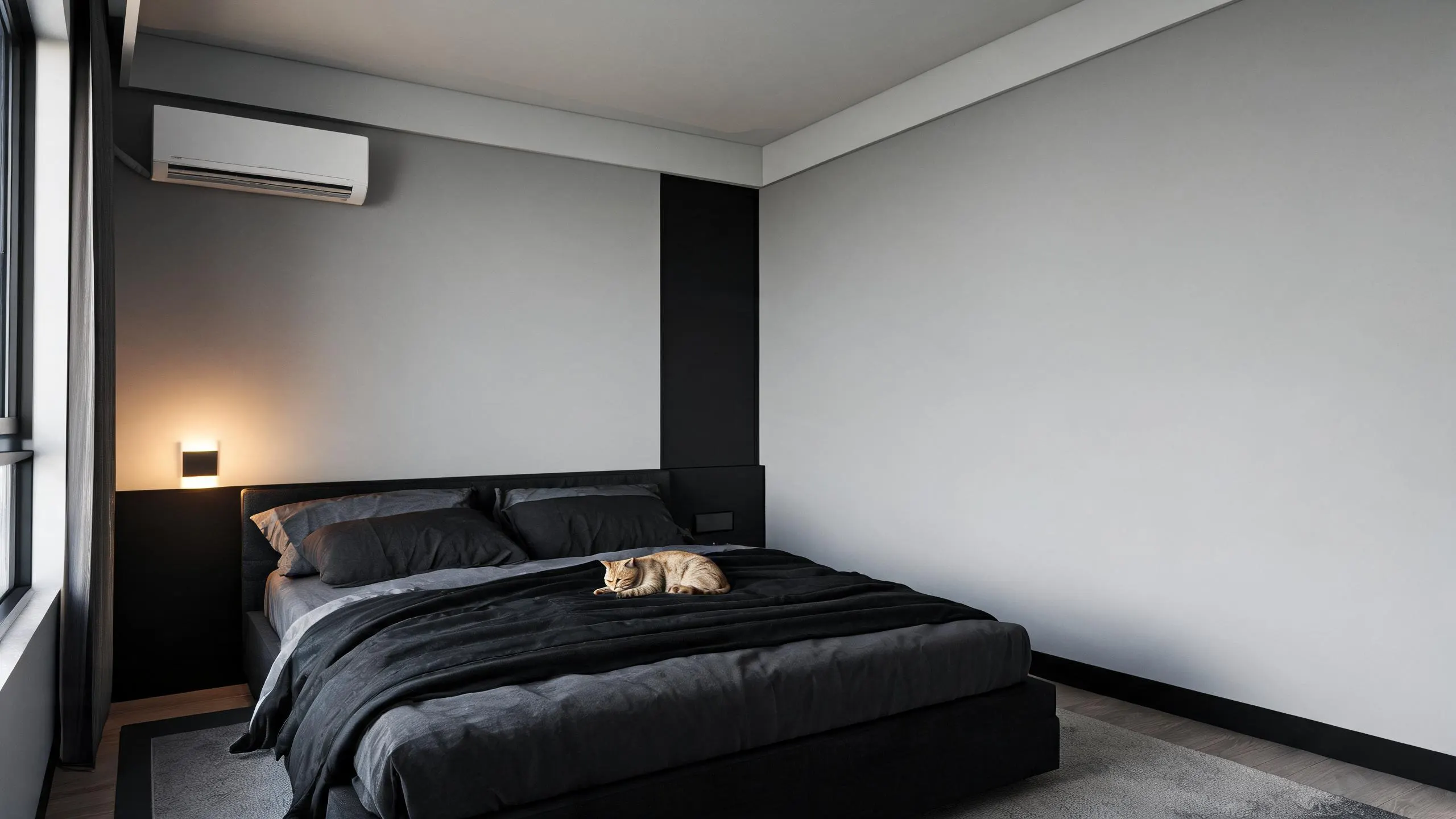
An orange cat rests on a dark grey bed in a minimalist monochrome bedroom.

Mini Split Installation in Beaumont, TX

Tell us about the job

Takes about a minute. No obligation.

Step 1 of 3: Equipment

A mini split installed here runs from April through October most years. On the afternoons that hit 91 degrees, it works near its limit for hours at a stretch. That is the load to size for, not an average day. An undersized unit runs flat out trying to keep up, and the parts inside wear down faster for it. A contractor sizing the install should be looking at your square footage, your layout and how many zones you need, not matching whatever size the last system happened to be.

5 months
November through March, your system heats
7 months
April through October, it cools
46°F
the average winter night it heats against
91°F
the average summer afternoon it cools against
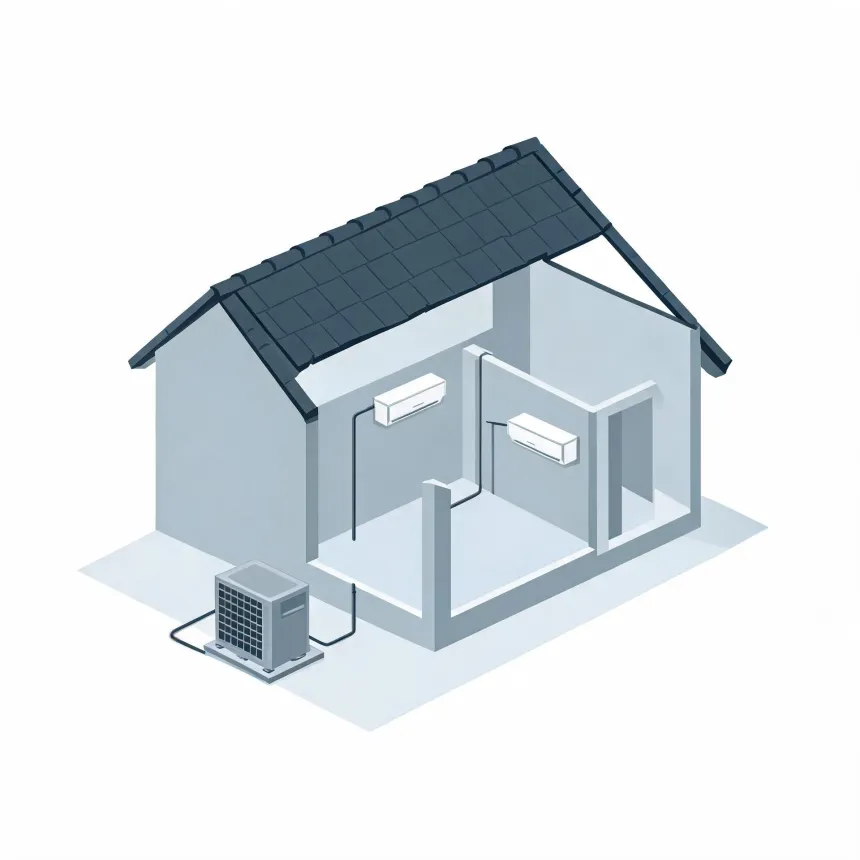
Isometric illustration of a cutaway house with a dark tiled gable roof, showing two wall-mounted indoor split air conditioning units connected by lines to an outdoor condenser unit on the ground outside.
Your system heats November through March and cools April through October.

NOAA nClimDiv, 1991–2020 normals

The line set run between the outdoor unit and each indoor head takes labor, and longer runs take more of it.

Where the outdoor unit can sit and how far the heads are from it changes what the install actually involves.

March puts a new system in place before seven months of cooling start

Cooling runs April through October
Summer afternoons average 91°F
Power costs 14.94 cents a kWh statewide

Jefferson County falls under zone 2A, where cooling carries most of the yearly load. Any mini split sold here now has to clear 14.3 SEER2 and 7.5 HSPF2, the same floor set for every split-system heat pump under the federal standard. That rule doesn't bend for ductless equipment. A unit that meets it qualifies for the federal tax credit, which can offset part of the install cost. Ask what SEER2 and HSPF2 the equipment is rated at before you sign anything, since those two numbers are what the standard actually checks.

Size it for how hard it works here

A new system here will work harder than most, every year. Size it right and don't buy on price alone.

Find a contractor
A man in a dark long-sleeve shirt and tan work pants walks up concrete steps toward an orange front door, carrying a waxed canvas tool bag in his right hand, with a potted shrub beside the gray-sided house.
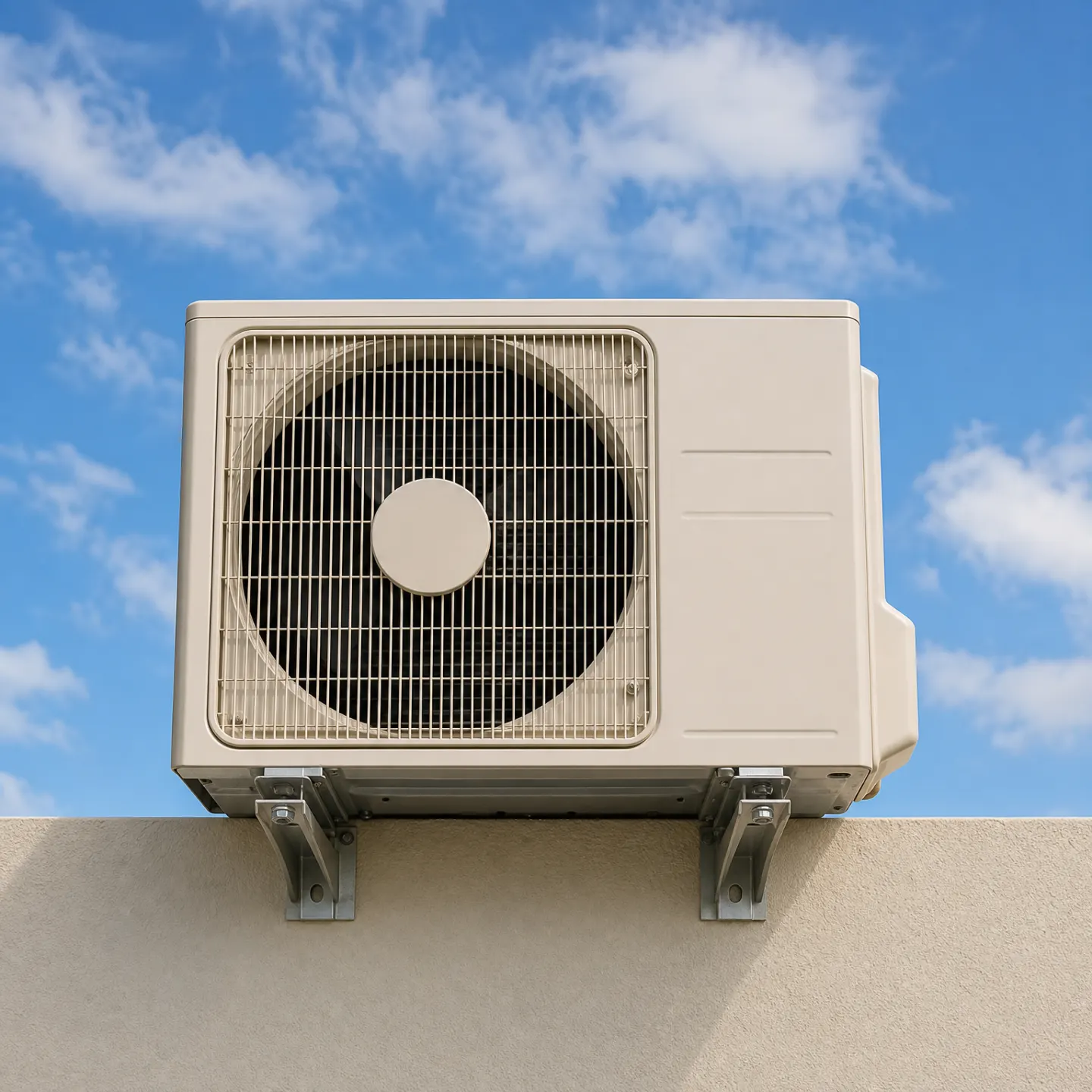
A beige split-system air conditioner outdoor condenser unit mounted on metal wall brackets atop a stucco wall.

The house's age doesn't change what size you need

Half the homes in Jefferson County were built in 1978 or earlier, half in 1978 or later. That split doesn't point a mini split toward a bigger or smaller size. Sizing comes from the room, the wall and roof it sits behind, and the zones the household needs, not the year the house was framed. A standard size and efficiency fit a house from either side of that line just as well. What matters more is the load the system faces once it's running, season after season, in this county.

The rating is a ratio, not a guarantee

SEER2 compares the cooling a unit produces against the power it draws over a season. HSPF2 does the same for heat. A higher number means the unit gets more cooling or heat out of the same electricity, but it assumes the system is sized right and installed right. A unit rated high that's set up wrong won't deliver what the label promises.
The rating only covers the equipment

SEER2 and HSPF2 describe the indoor and outdoor units working together as a matched pair. They say nothing about how the line set is run, how the head is mounted, or how well the installer sets the refrigerant charge. A poorly charged system can run well below its rated efficiency no matter what number is on the label.

When you're comparing bids, ask how many indoor heads the system supports and whether it's a single-zone or multi-zone outdoor unit. A multi-zone condenser splits its capacity across every head connected to it, so adding a head later isn't as simple as running another line set. Ask what happens if one zone calls for cooling while another doesn't. Some systems handle that well, others cycle in a way that shortens compressor life. Ask about the warranty too, specifically whether it covers parts only or parts and labor, and whether it stays valid if someone other than the installer ever opens the system for service. A contractor who installs it should be the one answering these, not a spec sheet.

The outdoor unit goes in first, set on a pad or bracket away from anything that blocks airflow around it. Then the installer runs the line set through the wall to each indoor head, insulates it, and mounts the head on its bracket. Once everything's connected, the system gets evacuated with a vacuum pump to pull out air and moisture before any refrigerant moves through it. Skip that step and the system runs with moisture in the lines, which breaks down the compressor over time. After the vacuum holds, the installer weighs in the refrigerant charge to the amount the manufacturer specifies for that line length, checks for leaks at every joint, and runs the system in both cooling and heating to see that each zone responds the way it should.