



Texas Cooling Help
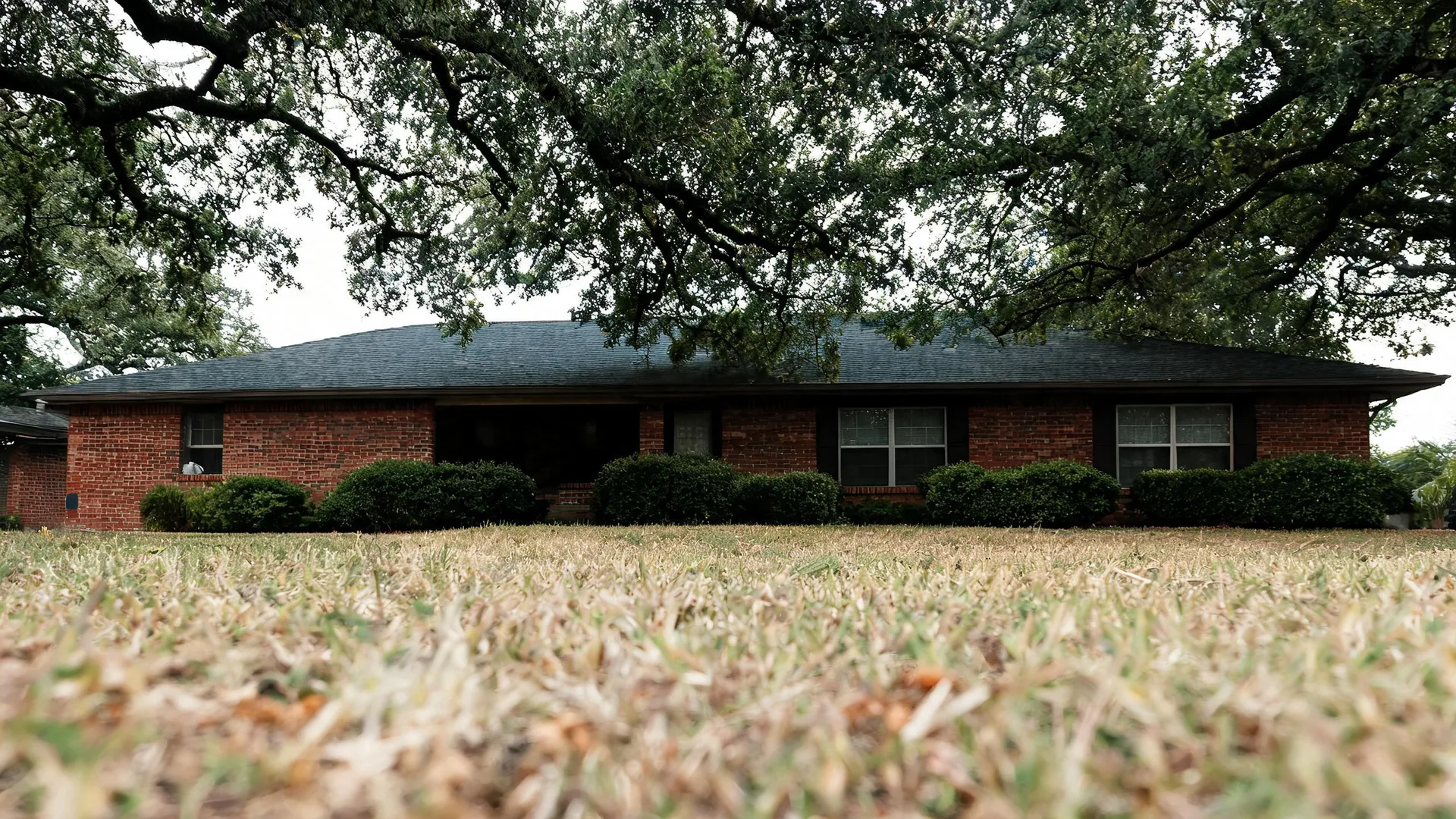
A single-story brick house with a dark shingled roof and trimmed shrubs, photographed from ground level across a dry lawn beneath overhanging tree branches.

Mini Split Installation in Amarillo, TX

Tell us about the job

Takes about a minute. No obligation.

Step 1 of 3: Equipment

Electricity in Texas ran 14.94 cents per kilowatt-hour in 2024. A mini split works in your favor on a rate like that, because it only heats or cools the room you're using, not the whole house through a duct system. The compressor also adjusts its speed to match the load instead of switching fully on and off, so it draws less power holding a temperature than reaching one. That difference shows up on every bill, not just the ones where the system runs hardest.

7 months
October through April, your system heats
5 months
May through September, it cools
25°F
the average winter night it heats against
92°F
the average summer afternoon it cools against
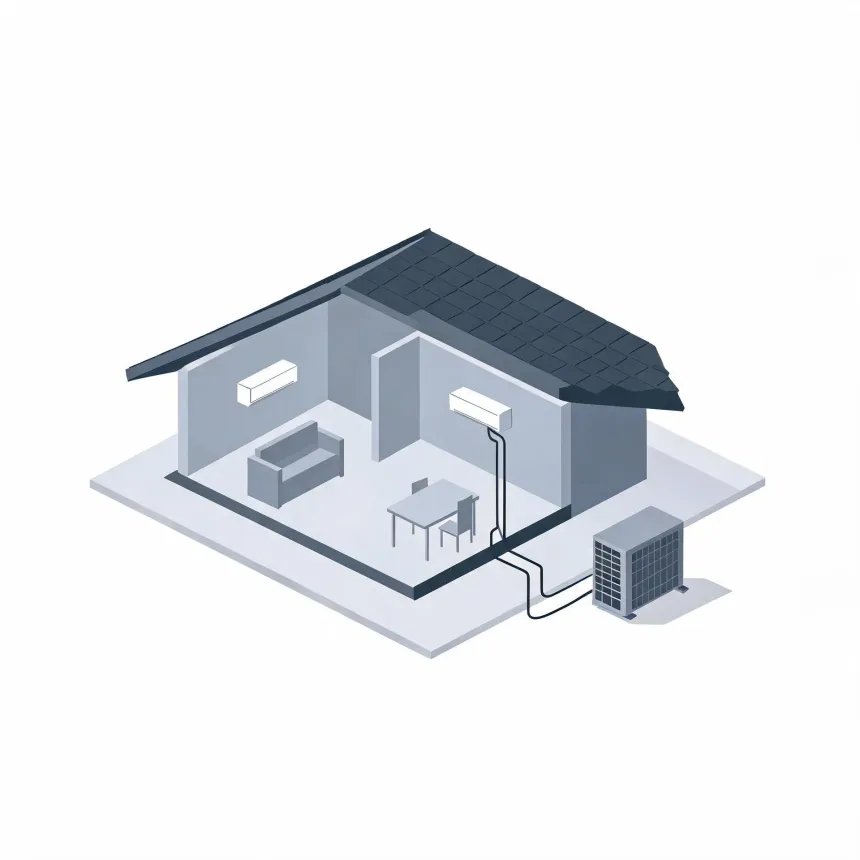
Isometric illustration of a cutaway house interior with sofa, table and chair, two wall-mounted indoor air conditioning units connected by lines to an outdoor condenser unit beside the building.
Your system heats October through April and cools May through September.

NOAA nClimDiv, 1991–2020 normals

The number on the label is a ratio of heat moved to power used, not a flat percentage.

A higher rated system pulls less power to hold the same room at the same temperature.

Half the homes in Potter County were built by 1963, and a mini split has to fit the house you have, not a new one

Half the homes here were built by 1963
Cooling runs May through September
Summer afternoons average 92°F
Install before May, not during itCooling here runs May through September. April is the month to get this done.

Potter County sits in climate zone 4B, which calls for real heating and real cooling, not just one or the other. A mini split installed here has to be a heat pump that handles both. Since January 2023, the federal minimum for a split-system heat pump is 14.3 SEER2 for cooling and 7.5 HSPF2 for heating, and the standard treats ductless systems the same as any other split system. There's no lower bar for going ductless. Whatever gets installed has to clear that same line.

What heats your home now decides how a mini split fits in

Gas heats most homes in Potter County, at 62.2%. The rest run on electricity, mostly through a heat pump or electric furnace. A mini split is a heat pump, so it fits either setup. In a gas home it can take over cooling and shoulder-season heating. In an electric home it can replace the system outright. Either way, the installer needs to know what's there now before sizing the new one.

Find a contractor
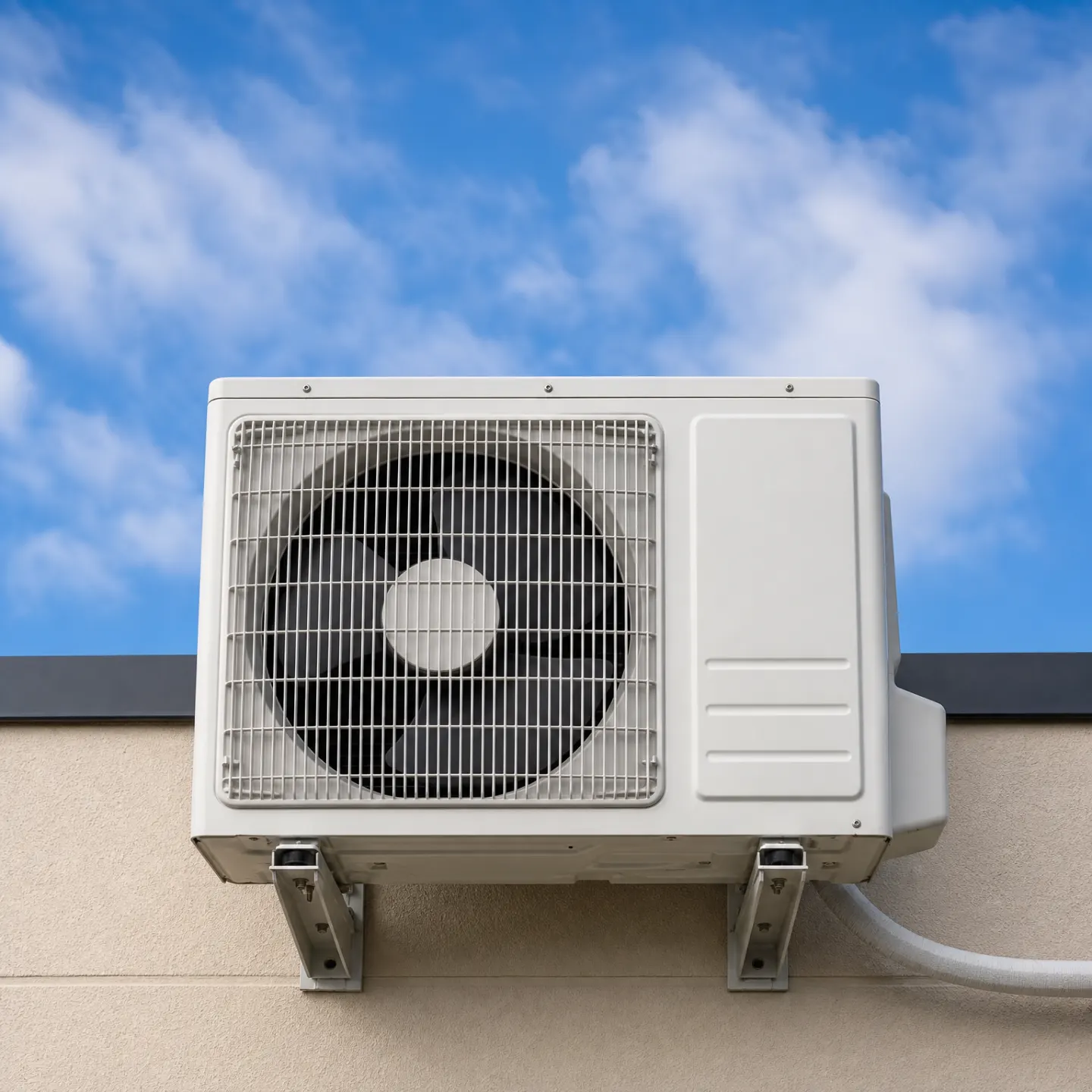
A white mini-split air conditioner outdoor condenser unit mounted on metal brackets against a beige stucco exterior wall, with a blue sky and scattered clouds in the background.

Built to run hard, all summer long

Five months of cooling a year, May through September, with afternoon highs averaging 92°F through the worst of it. That's the stretch a mini split has to hold steady here. The outdoor unit sits through that heat and through whatever the weather throws at it, wind and hail included, since this county sees plenty of both. A unit sized right for the rooms it covers will run hard on those afternoons and still keep up. One sized too small runs at its limit constantly instead of just on the hot days, and the parts inside wear sooner for it.

Ask what each zone is rated for, not just the system

A mini split system is really several indoor heads tied to one outdoor unit, and each head has its own capacity. A quote should say what each room needs and what each indoor unit is rated to deliver, not just a total for the house. If that breakdown isn't there, the sizing hasn't really been done yet, just estimated.
Ask how the line set and wiring will run

The refrigerant line and electrical run have to get from the outdoor unit to each indoor head somehow, through a wall, along a soffit, down a chase. Where that path goes affects how the wall looks when it's done and how hard the unit is to service later. Get that answered before the work starts, not after the holes are already cut.

Sizing a mini split means working out, room by room, how much heat that space gains in summer and loses in winter, then matching that load to an indoor head that can deliver it. Windows, which way a room faces, how it connects to the rest of the house, all of it feeds into that number. Too big and the unit short cycles, reaching the set temperature fast and shutting off before it's pulled any humidity out of the air, so the room feels cool but damp. Too small and it runs flat out all afternoon chasing a temperature it can't hold. Either mistake wears the compressor down faster than running it right. A contractor works this out with a load calculation, not by matching whatever size happened to come out of the last house.

Installation starts with the outdoor unit, set on a pad or bracket somewhere with room for air to move through it. From there the installer runs a line set to each indoor head, carrying refrigerant lines, a drain line, and electrical in one bundled run through a small hole in the wall. That hole gets sealed once the lines are through. Each indoor head gets mounted, leveled, and connected, then the whole system gets evacuated with a vacuum pump to pull out air and moisture before refrigerant ever enters the lines. A system charged without that step traps moisture inside, and moisture in a refrigerant line causes problems that show up months later, not that day. Once it's charged, the installer checks airflow and temperature split at each head before calling the job done.